Pitbull Toy
Japan Pet Market Insight: Safety, Humanization & Tiny Breeds
The Japanese pet food industry is undergoing a structural paradigm shift driven by pet humanization and urbanization. According to the Japan Pet Food Association (JPFA), indoor toy and small breeds—such as Toy Poodles, Chihuahuas, and Miniature Dachshunds—comprise over 75% of the canine population in metropolitan areas like Tokyo, Osaka, and Nagoya. Consequently, procurement managers and retailers are demanding smaller, safer, and cleaner chew choices.
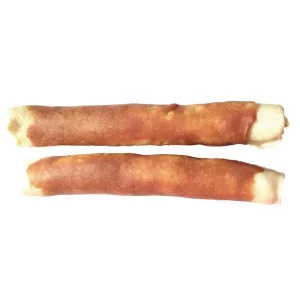
Additionally, Japan’s dog population is aging rapidly. Senior dogs require softer chew matrixes or natural single-ingredient collagen options that preserve dental integrity without fracturing mature teeth. Traditional low-grade rawhides processed with heavy chemicals are being swiftly phased out by major Japanese retail groups (such as Aeon Pet and Cainz). The market demands pure-color, chemical-free raw materials with clean label footprints.
Compliance is another critical barrier. All natural dog treats exported to Japan must undergo rigorous inspections by the Ministry of Agriculture, Forestry and Fisheries (MAFF) and satisfy the strict standards of the Food Safety Act. Our manufacturing plant operates clean-room thermal drying and post-processing protocols to completely eliminate microbiological risks, guaranteeing worry-free clearance through Yokohama and Kobe customs.