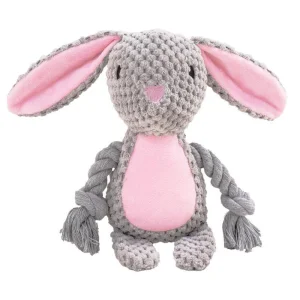
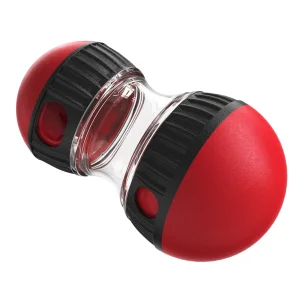
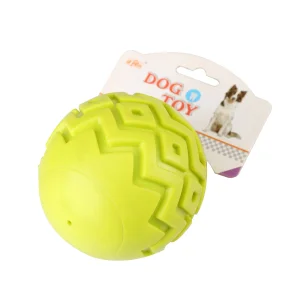
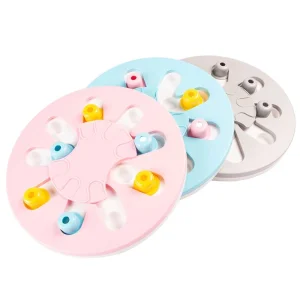
High-grade interactive products designed with food-safe silicone, natural rubber, and smart motion components to satisfy global safety standards.
The global pet care accessory market has undergone a dramatic transformation over the past decade. Feline ownership has reached record highs in North America, Western Europe, and Asia-Pacific regions, largely driven by urbanization, high-density residential living, and changing demographics. Among all pet hygiene hardware, the cat litter box is no longer considered a basic injection-molded tray. It has evolved into an essential, highly engineered hygiene appliance that integrates odor control, ergonomic design, material technology, and smart IoT automation.
B2B importers, global supply chain directors, and enterprise distributors face distinct sourcing challenges when evaluating top-tier factories. Enterprise buyers look beyond the surface to assess raw material compliance, tool design cycles, precision injection molding capacities, and shipping volume optimizations. The "Top 10 Cat Litter Box Factories & Exporters" are defined not just by their production volume, but by their ability to provide integrated supply chain solutions—ranging from original design manufacturing (ODM) to strict quality control, cost-efficient packaging, and seamless customs clearance support.
For high-volume purchasers, maximizing shipping container yield is critical. Litter boxes are inherently voluminous products, and shipping empty space inside a standard 40HQ container significantly degrades unit-level margins. Top-tier factories solve this structural pain point by designing stackable, nested, or knock-down (KD) configurations. Through rigorous stress analysis and CAD modeling, advanced engineers are able to decrease packing volume by up to 40% while maintaining structural integrity upon assembly, ensuring profitability for major retail brands and online stores alike.
In B2B sourcing, the selection of the primary material represents the foundation of quality. Leading exporters focus on High-Impact Polypropylene (PP) and Acrylonitrile Butadiene Styrene (ABS) polymers. These materials are chosen for their excellent structural memory, resistance to chemical solvents (essential for sanitization), and high flexural strength. By incorporating antimicrobial silver ion additives directly into the polymer matrix during the compounding stage, top factories can guarantee active odor control and bacteria suppression that will not wash out or degrade over time.
Incorporating permanent zinc pyrithione or silver-ion technologies directly into the masterbatch to destroy 99.9% of Escherichia coli and Staphylococcus aureus.
Engineering strict tool designs with optimal draft angles (usually 2° to 3°) to ensure seamless injection ejection, eliminating micro-cracking and cosmetic stress marks.
Creating modular components that nest with high precision, allowing distributors to fit more units per pallet, lowering carbon footprints and domestic shipping costs.
Traditional open litter trays suffer from two critical failures: tracking of clay particles and lack of passive air filtration. Modern global solutions demand top-entry structures with micro-perforated exit grates, or covered boxes featuring integrated activated carbon chambers and zeolite filters. By channeling the cat’s path through designated entry and exit zones, tracking is reduced by up to 92%, resulting in cleaner household environments.
The pet tech segment is expanding at an unprecedented rate. Leading exporters are moving swiftly past standard molded plastic to capture the high-margin "smart pet appliance" sector. Today's smart cat litter box utilizes weight-sensing load cells, infrared safety sensors, Hall effect rotational tracking, and advanced connectivity protocols (Wi-Fi 2.4GHz/5GHz and Bluetooth Low Energy) to provide pet owners with health diagnostics via mobile applications.
Environmental sustainability is another core driver. The next generation of cat litter boxes utilizes biodegradable composite plastics, such as PLA (Polylactic Acid) combined with agricultural waste fibers (wheat straw or bamboo). This hybrid material decreases carbon footprints during raw material processing while ensuring the end product remains robust, water-repellent, and aesthetically pleasing to the eco-conscious consumer.
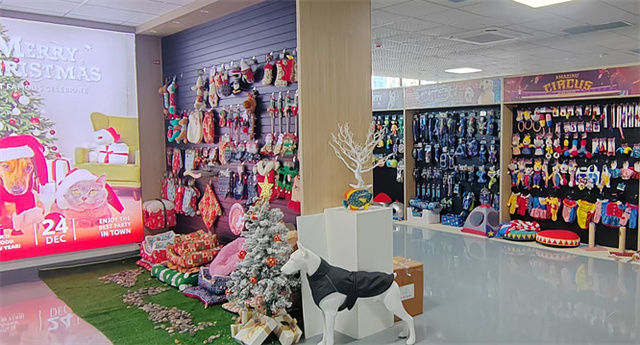
Dongguan Pitbull Toy Co., Ltd. is a professional China dog chew toy manufacturer specializing in the design, development, and production of durable pet toys and OEM/ODM pet product solutions. With extensive experience in the pet industry, Pitbull Toy is committed to providing innovative, safe, and long-lasting dog toys that enhance pets' physical activity, mental stimulation, and overall well-being.
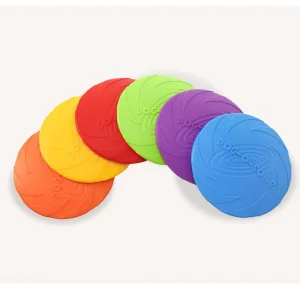
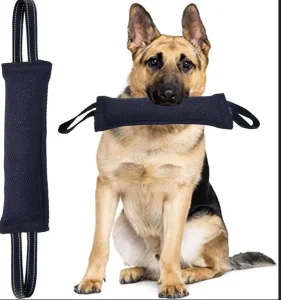
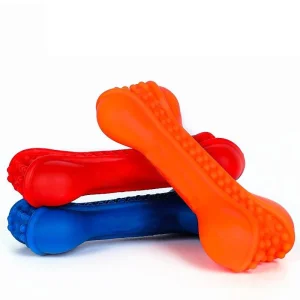
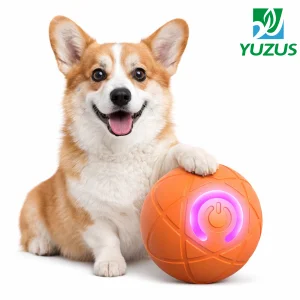
Our comprehensive product portfolio includes dog chew toys, interactive pet toys, rubber dog toys, dental chew toys, puppy toys, rope toys, tug toys, puzzle toys, squeaky toys, and training toys. Designed for dogs of different breeds, sizes, and chewing strengths, our products help promote healthy chewing habits, improve dental hygiene, reduce boredom, and encourage active play.
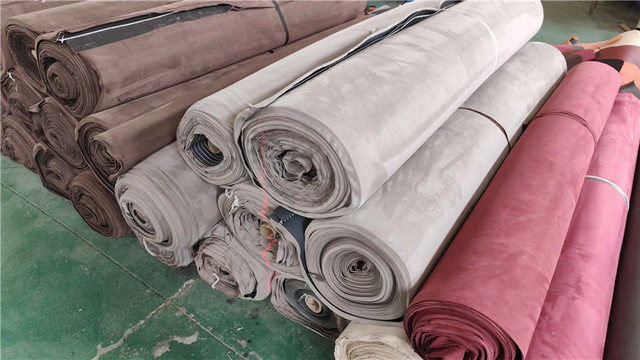
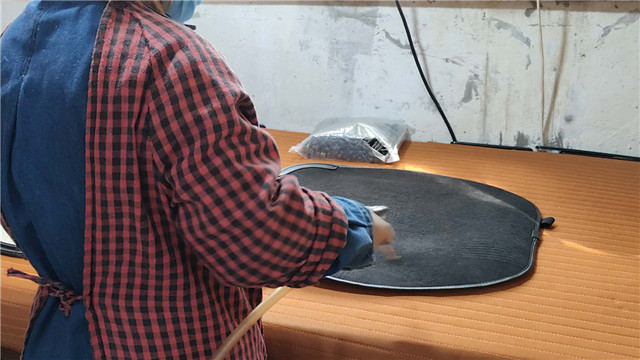
At Pitbull Toy, quality, safety, and durability are the cornerstones of our business. We utilize premium pet-safe materials and advanced manufacturing technologies to ensure that every product meets stringent international quality and safety standards. Our modern production facilities are equipped with advanced machinery and strict quality control systems, ensuring consistent product performance and reliability.
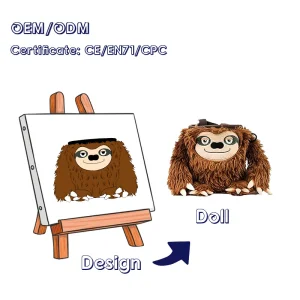
As a trusted OEM and ODM pet toy factory in China, we offer one-stop customization services, including product design, mold development, material selection, color customization, logo printing, packaging solutions, and private label manufacturing. Our experienced R&D team continuously follows global pet market trends to develop innovative and market-oriented products that help customers strengthen their brand competitiveness.
Serving customers across North America, Europe, Southeast Asia, the Middle East, and other international markets, Dongguan Pitbull Toy Co., Ltd. has established long-term partnerships based on superior product quality, dependable delivery, and excellent customer service.
Driven by innovation, craftsmanship, and customer satisfaction, Pitbull Toy strives to become your trusted partner for durable pet toys and customized dog chew toy solutions, delivering high-quality products that keep pets healthy, active, and engaged worldwide.
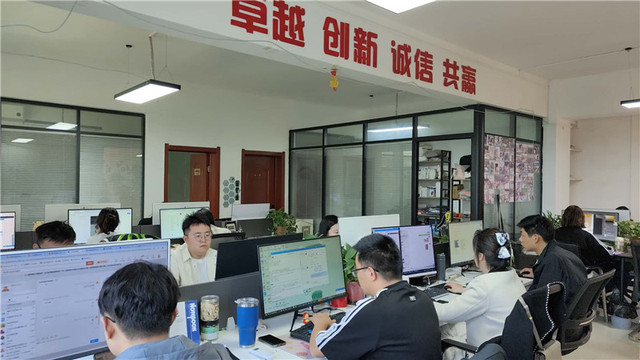
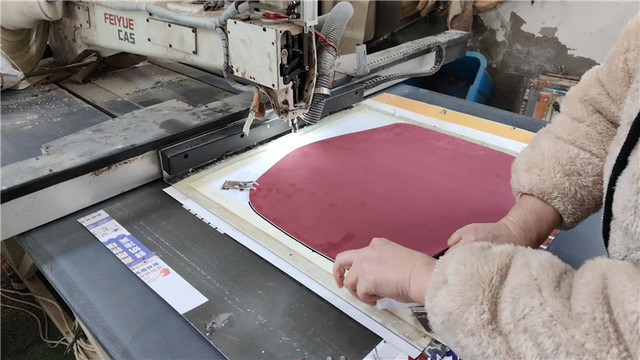
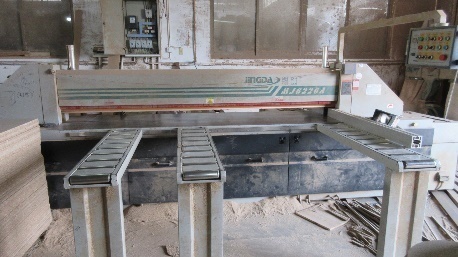

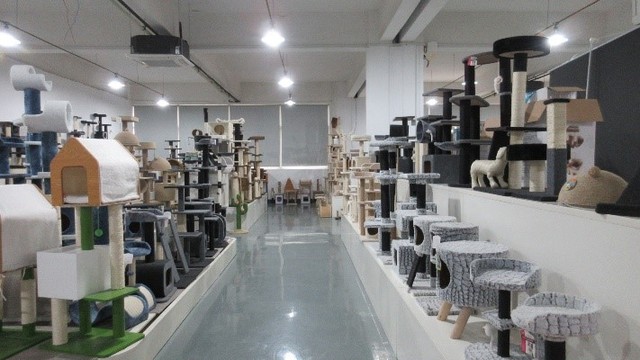
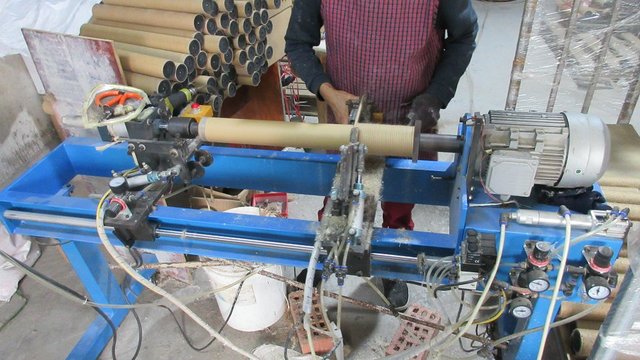
Importing pet accessories into strict jurisdictions such as the European Union (CE, REACH) or the United States (FDA, TSCA, FCC) requires precise regulatory alignment. Plastic components must be free from heavy metals, phthalates, and bisphenol A (BPA). For smart and electronic litter boxes, Electromagnetic Compatibility (EMC) testing and electrical safety certifications (LVD, RoHS, UL) are non-negotiable requirements before custom clearance can take place.
A typical production compliance checklist includes:
Clear, authoritative technical answers to streamline your B2B sourcing decisions and maximize supply chain efficiency.
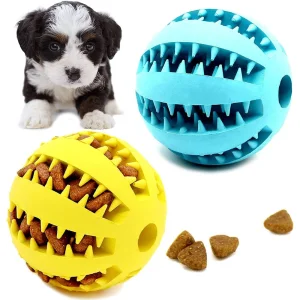
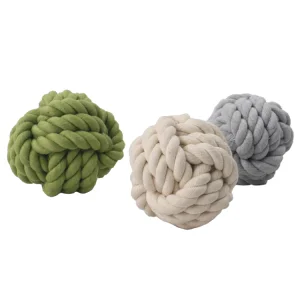
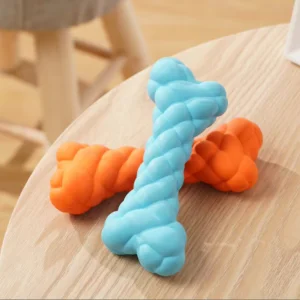
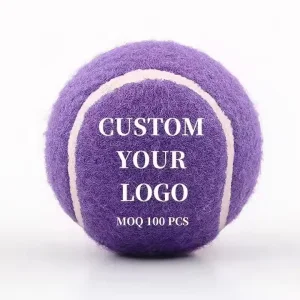
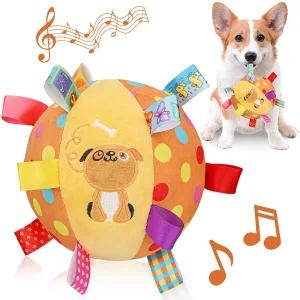
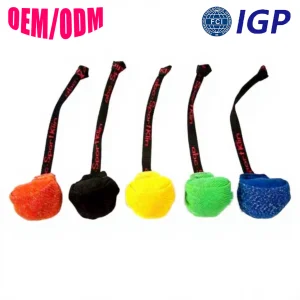
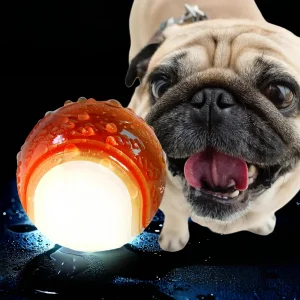
Broaden your brand offerings with our certified, chew-resistant interactive training accessories designed for global retail lines.
 Pitbull Toy