Choosing the right toys for aggressive chewers is crucial. The market is flooded with options, but not all are suitable for tough chewers. According to the American Kennel Club, 30% of dog owners report their pets destroy toys within minutes. Selecting durable toys is essential for safety and enjoyment.
Dr. Sarah Smith, an expert in canine behavior, states, "Understanding your dog's chewing habits is key to finding the right toy." Her insights emphasize observing a dog's preferences before making a purchase. Dogs thrive on interaction with toys, which can also serve as an outlet for their energy.
When navigating the toy aisle, consider material durability and size. Look for tough rubber or nylon options. It's also vital to replace broken toys promptly to avoid choking hazards. Balancing fun and safety is a challenge many dog owners face. Knowing how to choose toys for aggressive chewers can lead to healthier playtime.
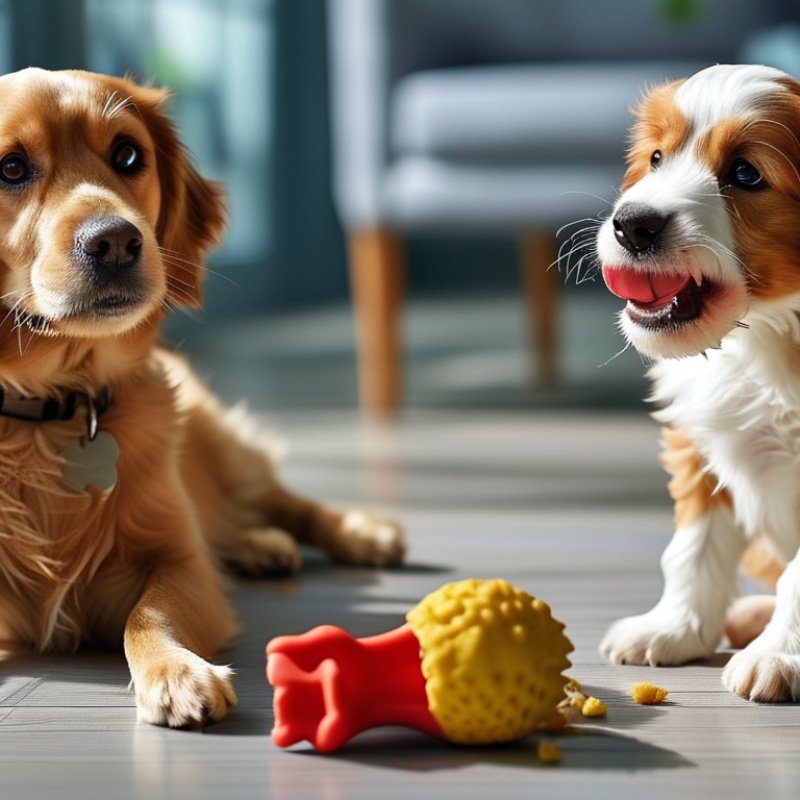
Understanding aggressive chewing behavior in pets is essential for their well-being. Many pets can chew aggressively due to boredom or anxiety. This behavior often stems from their natural instincts. Dogs and cats chew to explore their environment or relieve stress.
Observing your pet's chewing habits is crucial. If your pet is a heavy chewer, they may require stronger toys. Regularly inspect toys for wear and tear. This helps ensure safety and effectiveness. Not all toys suit every pet. A toy that works for one may not satisfy another.
Providing mental stimulation can reduce aggressive chewing. Puzzle toys or interactive games can engage your pet’s mind. Having a variety of textures may also help. Striking the right balance between play and calm can be challenging. Each pet is unique, and their needs can change over time. It is essential to stay attentive and adapt to their behavior.
When selecting toys for aggressive chewers, durability is crucial. Many pet owners struggle to find toys that withstand strong jaws. According to a report by the Association of American Pet Product Manufacturers, 20% of toys are deemed unsuitable for tough chewers. This indicates the need for a careful selection process.
Material is one vital factor. Rubber or nylon toys often offer better longevity compared to plush options. A survey revealed that 65% of dog owners prefer rubber toys due to their resilience. These materials not only last longer but also keep dogs engaged longer.
Tip: Always consider the toy's size. Toys that are too small can pose choking risks. It is essential to choose an appropriate size for safety and durability.
Another consideration is the shape. Odd-shaped toys tend to be more fun, keeping dogs occupied. Some aggressive chewers may shred their toys quickly. However, tougher designs can resist this. That said, finding a toy that meets your dog's needs can require persistence and experimentation.
Tip: Observe your dog’s chewing style. Take notes on which toys last longer and which ones do not. This helps refine future choices. Analyzing past experiences can lead to better decisions.
| Toy Name | Material | Durability Rating | Recommended Size | Price Range |
|---|---|---|---|---|
| Tough Rubber Ball | Rubber | 9/10 | Medium | $10 - $15 |
| Nylon Chew Stick | Nylon | 8/10 | Large | $8 - $12 |
| Rope Tug Toy | Cotton/Rope | 7/10 | Variable | $5 - $10 |
| Durable Rubber Frisbee | Rubber | 9/10 | Medium to Large | $12 - $18 |
| Stuffable Chew Toy | Rubber | 8/10 | Small to Medium | $10 - $16 |
| Heavy-Duty Plush Toy | Plush | 6/10 | Medium | $8 - $14 |
| Bulletproof Chew Toy | Plastic | 10/10 | Large | $15 - $20 |
| Monster Chew Ring | Rubber | 9/10 | Medium to Large | $12 - $16 |
| Tough Squeaky Toy | Rubber | 8/10 | Medium | $10 - $15 |
| Interactive Puzzle Toy | Plastic | 9/10 | Variable | $15 - $22 |
When choosing toys for aggressive chewers, material selection is crucial. Look for toys made from durable substances. Rubber, for example, is tough and flexible. It withstands strong bites better than many other materials. Nylon also offers durability and longevity. However, be cautious; some toys may fracture, creating sharp pieces.
Soft toys can seem appealing, but they often fall apart quickly. It's better to opt for reinforced fabric or heavy-duty plush toys if your pet enjoys soft textures. Always inspect toys regularly for wear and tear. Signs of damage mean it’s time to replace.
Tips: Always choose toys that match your pet's chewing strength. Consult with veterinarians for personalized recommendations. Observe your pet's chewing habits to identify suitable materials. Keeping a close eye on your pet while they play can prevent accidents. Remember, the right toy can keep your furry friend engaged and safe.
When selecting toys for aggressive chewers, durability and safety are paramount. Toys made from tough materials like rubber and nylon can withstand powerful jaws. Look for designs that offer reinforcement in key areas where traditional toys might fail. The shape should also be considered; some designs are more resilient to chewing than others.
Some toys come with additional features. Textured surfaces can help clean teeth while being chewed, promoting dental health. However, not all toys are safe for every dog; some could break into small pieces. It’s crucial to supervise during playtime.
Evaluating a toy's longevity often requires observation. A product may look promising but could wear out quickly. Choosing the right toy may involve trial and error. Pay attention to how your pet interacts with each toy. Regularly check for wear and tear to ensure safety. Each dog has unique chewing habits that might not suit every product on the market. Understanding your dog’s chewing style is essential for making informed choices.
Monitoring the wear and tear on dog toys is crucial for keeping aggressive chewers safe. Regular inspections can reveal hidden dangers. Look for cracks, frayed edges, or pieces that can be chewed off. These can be choking hazards. A small piece of plastic could quickly become a major issue.
Pay attention to how your dog uses the toy. If your pet seems more aggressive, it may be time to replace the toy. Breakage happens quickly with frequent chewing. Observe their behavior closely. Are they less interested in the toy? That might suggest it’s no longer satisfying.
You can create a schedule for checking toys. Perhaps every week or every few days. This diligent approach ensures your pet stays engaged without risks. Remember, not all toys are created equal. Avoid toys that show excessive wear too soon. The right toys will last longer and keep your dog entertained without concerns.
: Pets often chew aggressively due to boredom or anxiety. It is a natural instinct.
If your pet is a heavy chewer, inspect their toys for damage. They may require tougher options.
Inspect for cracks, frayed edges, or pieces that can be chewed off. These can be choking hazards.
Create a schedule to check toys regularly, perhaps every week or a few days. Consistency is key.
Durable toys with various textures are ideal. Not all toys suit every pet, so test different options.
Provide mental stimulation with puzzle toys or interactive games. Engaging their minds helps reduce stress.
If your pet seems less interested or chews more aggressively, it may suggest the toy is no longer satisfying.
Observe their behavior closely. Their needs may change over time, requiring a new approach to play.
Striking the right balance can be tough. Observe your pet, and adapt their activities to promote calm behavior.
No, some toys wear out too quickly. Choose sturdy options that last longer and keep your pet safe and entertained.
Choosing the right toys for aggressive chewers requires a deep understanding of their chewing behavior. Pets that exhibit aggressive chewing tendencies often require toys that are not only durable but also safe. When selecting toys, consider factors such as the materials used, the design of the toy, and its longevity.
Top material options for toys typically include rubber and nylon, known for their resilience. Additionally, it's essential to review toy designs that enhance safety while still being tough enough to withstand vigorous chewing. Regularly monitoring wear and tear on dog toys can help ensure that the toys remain safe and effective. In summary, knowing how to choose toys for aggressive chewers involves careful consideration of these factors to promote a safe and satisfying chewing experience for your pet.

Pitbull Toy