Choosing safe pet toys in 2026 requires more than finding a familiar logo on the package. Many buyers ask, “what certifications should pet toys have,” yet the answer depends on materials, markets, and intended use. No single global certification covers every pet toy. That uncertainty deserves attention.
The American Pet Products Association’s 2023–2024 National Pet Owners Survey reported that 66% of U.S. households owned a pet. Its findings show how widely pet products are used, including chew toys, plush toys, fetch products, and interactive feeders. Greater demand also increases the need for traceable materials and credible testing. The U.S. Consumer Product Safety Commission provides recall information, while the European Chemicals Agency explains chemical restrictions under REACH. These sources help companies screen risks, but they do not automatically certify a finished pet toy.
Veterinarian Dr. Marty Becker has offered a practical warning: “No toy is indestructible.” That sentence should guide every certification review. A responsible supplier may test for heavy metals, restricted chemicals, sharp edges, seam strength, and small detachable parts. ISO 8124 or ASTM F963 testing can provide useful benchmarks, although children’s toy standards are not universal pet-toy certifications. Food-contact or textile requirements may also matter when toys touch mouths or contain fabric dyes. The details can feel messy. They are. A credible 2026 assessment should match each claim with laboratory evidence, factory records, and batch-level traceability. It should also consider real use: a torn rope beside a water bowl, or a cracked rubber ball after repeated chewing. Safety is not a certificate alone.
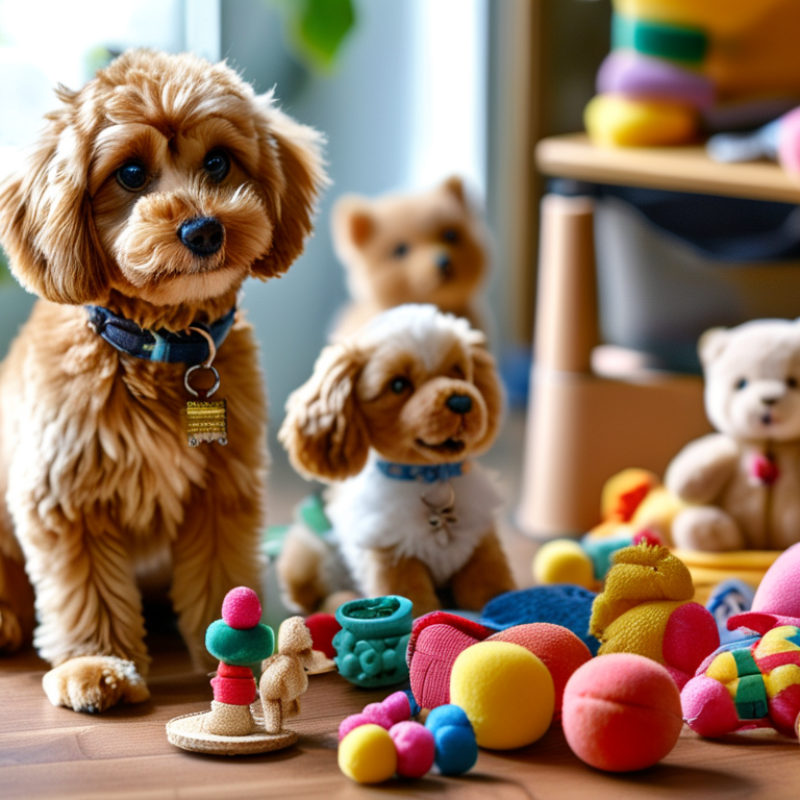
In 2026, pet toy certifications mainly show how a product was tested, not that it is perfect. A credible certificate should identify the tested materials, safety criteria, laboratory, and production sample. It may address heavy metals, restricted chemicals, sharp edges, small detachable parts, or mechanical strength. The exact requirements vary by market and by the animal’s size, age, and chewing behavior. That distinction matters.
A responsible buyer should connect certification documents with real product details. Check whether the report matches the current model, material, color, and factory batch. A toy made from rubber may need different testing from a plush toy with stitched eyes. Look for traceable laboratory information and clear use instructions. Certificates based only on paperwork deserve careful questions. Paper is not proof.
In practical sourcing work, I have learned that test reports can become outdated after a material change. A supplier may replace dye, adhesive, filling, or packaging without obvious visual differences. That small change can affect safety results. I once treated an older report as sufficient, and that assumption was too simple. Now I compare reports with purchase samples and production records. Certification means stronger evidence, but it does not replace supervision, reasonable design, or regular quality checks. A certificate supports trust; it does not create trust alone.
Pet toy safety begins with the material, not the package label. In 2026, certification needs may vary by destination market, product type, and intended animal. A rubber chew toy can require different testing from a fabric plush toy. Check current rules with an accredited testing laboratory before making certification claims.
Inspect rubber and plastic for strong odors, sticky surfaces, sharp seams, and easily detached pieces. Test for heavy metals, restricted chemicals, and saliva exposure when pets chew frequently. Hard plastic may crack under pressure. Small fragments can become choking hazards. A simple compression test can reveal weak areas, but laboratory testing provides stronger evidence.
Fabric toys need close attention too. Loose threads can wrap around teeth or paws. Fillings may escape through poorly stitched seams. Dyes should be checked for color transfer after wet rubbing. Rope toys can shed fibers, especially after repeated chewing. Wood may splinter, while natural materials can carry moisture or microbial risks if processing is inadequate.
I once underestimated stitching because the seam looked neat. Repeated pulling told a different story. That experience changed my inspection process. Now, I examine stress points, wash samples, and record failures with photographs. These records support traceability and help laboratories select relevant tests. Certification documents should match the exact material, design, and production site. A report for one toy should not automatically cover another. Safety decisions need evidence, not assumptions.
This chart compares the number of common safety assessments that may apply to different pet toy materials. The values are screening priorities, not mandatory certification counts. Pet toys generally do not have one universal global certification; requirements depend on the destination market, intended animal, product claims, and material composition.
Assessments include ingestion and choking hazards, chemical migration, heavy metals or restricted substances, microbial contamination, and mechanical durability. A higher score indicates that more safety areas should be reviewed before market release.
Pet toy compliance depends on the toy’s materials, function, and sales market. The American Pet Products Association reported U.S. pet industry spending of $152 billion in 2024. That scale increases buyer scrutiny, especially for products pets chew, lick, or carry daily.
Chew toys need material safety evidence, including testing for heavy metals, phthalates, and harmful substances. In the European Union, REACH requirements may apply. For food-contact toys, such as lick mats, review applicable food-contact rules, including EU Regulation 1935/2004 or relevant U.S. FDA requirements.
Plush toys need checks for stuffing, dyes, seams, and small detachable parts. If a product is marketed for children, ASTM F963 and CPSIA requirements may become relevant. Pet-use claims do not automatically remove that risk.
Electronic or interactive toys require a different file. EU sales may involve CE marking, EMC testing, RoHS restrictions, and battery safety documentation. Rechargeable products may also need evidence aligned with IEC 62133.
In the United States, requirements can vary by device design and power source. Grand View Research continues to identify interactive pet products as a growing market segment, but growth does not replace technical verification. This is where practice gets messy. Suppliers sometimes provide generic certificates. They may not cover the exact model, material, or battery. Ask for traceable reports, batch records, and updated testing before approving production.
How to Know What Certifications Pet Toys Need in 2026?
Pet toy compliance begins with evidence, not a decorative certificate. The American Pet Products Association reported that U.S. pet industry spending reached $152 billion in 2024. That scale increases buyer scrutiny and recall exposure. Requirements still depend on the product, materials, claims, and sales market. A chew toy, electronic toy, and plush toy may need different evaluations. Do not assume one certificate covers all risks.
Prepare a technical file before testing. Include the product specification, bill of materials, drawings, supplier declarations, colorant information, and packaging artwork. Record each material’s intended use and supplier lot. Testing should address mechanical strength, small detachable parts, sharp edges, flammability, heavy metals, and restricted chemicals. Use a laboratory accredited to ISO/IEC 17025 where practical. For European sales, review the General Product Safety Regulation, effective from December 2024. Relevant standards may support safety decisions, but they do not automatically replace a documented risk assessment.
Keep signed test reports, sample photographs, test methods, laboratory scope, and corrective-action records together. The 2024 Safety Gate report showed thousands of dangerous non-food product alerts across Europe, reminding teams that traceability matters after launch. A neat file can still hide weak supplier evidence. Recheck formulas after every material change. That step is often missed. Also, avoid unsupported claims such as “non-toxic” or “indestructible.” Those words create testing and advertising risks. Review the file annually, and whenever the toy, factory, packaging, or target market changes.
| Market or Compliance Area | Regulatory Status in 2026 | When It Applies to Pet Toys | Typical Risk Areas and Testing | Recommended Compliance Documentation |
|---|---|---|---|---|
| United States — General Consumer Product Safety | Generally required | Applies to consumer products that may present unreasonable risks of injury. Pet toys should be designed and tested for foreseeable use, misuse, breakage, detachable parts, sharp edges, and entrapment hazards. | Mechanical and physical checks; seam and attachment strength; pull testing for components; sharp-point and sharp-edge assessment; durability and breakage evaluation. | Product specification, hazard analysis, test reports, production inspection records, complaint records, corrective-action records, and supplier declarations. |
| United States — Children’s Product Rules | Conditional | Applies if the product is designed, marketed, packaged, or represented primarily for children rather than exclusively for pets. A pet toy does not automatically become a children’s product solely because a child may handle it. | Potential requirements include applicable children’s product testing, limits on lead and certain phthalates, accessible small parts, and testing against applicable toy-safety requirements. | Age-grading rationale, marketing and packaging review, component material records, applicable laboratory reports, children’s product certification documentation, and production testing plan. |
| United States — Chemical Restrictions | Substance-dependent | Applies when materials, coatings, inks, adhesives, plastics, foams, or other components contain regulated substances or when a state-specific chemical rule is triggered. | Risk-based screening for heavy metals, restricted plasticizers, residual solvents, formaldehyde, colorants, and other substances relevant to the selected materials and market. | Bill of materials, full material declarations, supplier declarations, safety data where relevant, chemical test reports, and change-control records. |
| United States — California Proposition 65 | Conditional | Applies to products sold in California if exposure to a listed chemical exceeds the applicable safe-harbor level or another legally sufficient warning basis is required. | Targeted chemical analysis based on material composition and exposure assessment, especially for plastics, coatings, metals, adhesives, and treated textiles. | California-specific chemical assessment, laboratory reports, exposure calculations where needed, warning decision record, and label or online-warning artwork if applicable. |
| European Union — General Product Safety Regulation | Generally required | Applies to consumer products placed on the EU market when no more specific harmonized product legislation fully covers the relevant risk. Pet toys generally require a documented safety assessment. | Mechanical, physical, chemical, flammability, hygiene, and foreseeable-use assessment based on the product design, materials, animal interaction, packaging, and instructions. | Technical file, risk assessment, product identification, traceability information, warnings and instructions, supplier records, test reports, corrective-action procedure, and incident records. |
| European Union — REACH Chemical Requirements | Substance-dependent | Applies to substances, mixtures, and articles placed on the EU market. Additional communication duties may arise if an article contains a substance of very high concern above the applicable threshold. | Material composition review; screening for restricted substances; targeted testing for plastics, rubber, textiles, coatings, metals, foams, and adhesives. | Supplier declarations, material composition records, restricted-substance screening reports, communication records, and evidence supporting any required customer or authority notification. |
| European Union — EN 71 Toy-Safety Standards | Conditional | These standards are relevant when the product is legally classified and marketed as a toy for children. They are not automatically mandatory for a product marketed solely as an animal toy. | If child-toy classification applies, relevant assessments may include mechanical and physical properties, flammability, migration of certain elements, and selected organic chemical requirements. | Classification rationale, applicable-standard checklist, laboratory reports, technical documentation, labeling review, and conformity records. |
| United Kingdom — General Product Safety Requirements | Generally required | Applies to consumer products supplied in Great Britain when no more specific product rules fully address the product. Northern Ireland may follow different arrangements for certain EU-linked requirements. | Risk assessment covering physical injury, chemical exposure, flammability, hygiene, packaging, instructions, and foreseeable use by pets and handlers. | Product file, risk assessment, test reports, traceability records, supplier information, instructions and warnings, complaint monitoring, and corrective-action records. |
| Canada — Consumer Product Safety Framework | Generally required | Applies to consumer products supplied in Canada. A product must not present an unreasonable danger to human health or safety during normal or foreseeable use. | Physical safety, breakage, detachable components, sharp edges, chemical composition, labeling, and packaging review based on the product’s risk profile. | Hazard assessment, test reports, product and supplier records, incident-reporting procedure, traceability information, and recall or corrective-action plan. |
| Australia — Consumer Product Safety | Product-dependent | General consumer-law duties apply, while mandatory standards apply only to products covered by a specific standard. There is no universal certification requirement for all pet toys. | Risk-based testing for physical hazards, materials, labeling, packaging, and foreseeable interaction with animals and people. Check current mandatory standards before supply. | Product risk assessment, applicable-standard review, supplier declarations, laboratory reports, labeling records, complaints log, and corrective-action documentation. |
| Voluntary Safety Standards and Buyer Requirements | Voluntary unless incorporated into a contract or rule | Retailers, marketplaces, importers, insurers, or buyers may request testing against a recognized pet-product or general product-safety standard even when no government certificate is required. | Durability, bite resistance, tensile strength, seam strength, squeaker or sound-module security, stuffing containment, wash resistance, odor, and material safety. | Statement of conformity, test plan, independent laboratory report, batch or lot information, inspection photos, packaging review, and signed quality-control records. |
| Recommended 2026 Compliance Documentation Package | ||||
| 1. Product Identity and Intended Use | Record the product name or internal code, toy type, target animal, intended environment, materials, dimensions, weight, packaging, age or size guidance for pets, foreseeable misuse, and whether the product could be interpreted as a children’s toy. | |||
| 2. Bill of Materials and Supplier Evidence | Maintain a controlled bill of materials covering every component, coating, ink, adhesive, filling, sound mechanism, fastener, and packaging material. Obtain current supplier declarations and document material changes. | |||
| 3. Risk Assessment | Evaluate choking, ingestion, obstruction, strangulation, entanglement, cuts, punctures, eye or mouth injuries, toxic exposure, burns, excessive noise, microbial contamination, and risks to human handlers. | |||
| 4. Test Plan and Laboratory Reports | Define acceptance criteria before testing. Use competent laboratories where independent testing is required or commercially expected. Ensure reports identify the tested sample, test method, date, result, deviations, and laboratory authorization details. | |||
| 5. Labeling, Instructions, and Traceability | Include appropriate warnings, supervision guidance, disposal instructions, cleaning information, importer or responsible-person details where required, lot or batch identification, and contact information for safety issues. | |||
| 6. Post-Market Controls | Keep complaint monitoring, incident investigation, sample-retention, periodic re-testing, supplier-change review, corrective-action, withdrawal, and recall procedures. Reassess compliance whenever materials, design, production location, or marketing claims change. | |||
| Important: Pet toys generally do not have one universal international “pet toy certification.” The required obligations depend on the destination market, product classification, materials, claims, sales channel, and foreseeable use. Confirm the current rules and applicable standards for each market before placing the product on sale. | ||||
In 2026, pet toy certification should be treated as a changing compliance record, not a permanent badge. Requirements vary by market. A certificate should show its issue date, expiry date, product scope, and testing standard. Check each detail against the actual toy, packaging, and sales destination. A document for rubber chew toys may not cover plush toys with sound modules. This distinction is easy to miss. Verify the certificate number through the issuing organization’s official website or written channel. Never rely on a supplier’s image alone. In practical reviews, files sometimes show clear logos but lack laboratory details. That should pause approval.
Tips: Match the certificate holder, factory, model number, materials, and test report. Confirm the laboratory’s accreditation and standard version. Compare issue dates with production dates. Request a translation when wording is unclear. Store the original PDF, verification email, test report, and sample photographs together. Small records matter.
Regulatory tracking needs a set routine. Review official government notices, standards-body updates, and import guidance each month. Record the change, effective date, affected material, and required action. A revised chemical limit or labeling rule can make an old assessment incomplete. The toy may look unchanged. Subscribe to alerts when available, but verify important notices at the original source. Calendars help, although they are not enough. Suppliers should report changes in materials, factories, or construction before shipment. If evidence conflicts, pause approval and request fresh testing from a qualified laboratory. That may delay a launch. It is still safer than trusting outdated evidence.
: They need evidence covering heavy metals, phthalates, and other restricted substances. Testing should match the exact rubber formula, model, and destination market. A generic report is not enough.
Review the food-contact requirements for the intended sales region. Check the silicone or plastic, colorants, odors, and surface coating. The finished product matters most.
Check stuffing, dyes, seams, stitching strength, and detachable parts. Inspect buttons, sound units, and loose threads carefully. Tiny parts create real concerns.
Not always. Marketing, packaging, and product design may create additional obligations. A toy resembling a child’s product needs careful review. The label alone may not protect you.
They may need electrical safety, electromagnetic compatibility, restricted-material, and battery documentation. Rechargeable products require evidence for the specific battery and charging system. Check the complete device.
Match the certificate holder, factory, model number, materials, and test report. Check the issue date, expiry date, product scope, and testing standard. Verify the document through the issuing laboratory’s official channel.
Request the original report, laboratory details, verification evidence, and sample photographs. Compare the document with the finished toy and packaging. A clear logo proves very little.
Store the original certificate, test report, verification email, batch records, and product photographs together. Record production dates and material changes. Small records matter.
Review official regulatory notices and import guidance every month. Track changed limits, effective dates, affected materials, and required actions. Calendars help, but they are not enough.
Pause approval and request fresh testing from a qualified laboratory. Confirm any change in factory, material, battery, or construction before shipment. This may delay launch. It is still safer.
In 2026, understanding pet toy certifications is essential for evaluating product safety, quality, and market readiness. The question “what certifications should pet toys have” depends on the toy’s materials, design, intended animal, and sales region. A responsible review should consider risks such as choking, swallowing, sharp edges, chemical exposure, breakage, and unsafe coatings. Different categories, including chew toys, plush toys, interactive toys, and electronic products, may require different testing priorities and compliance evidence.
Manufacturers and buyers should prepare clear documentation covering material specifications, laboratory test results, risk assessments, production controls, and labeling information. Certification validity should be confirmed through reliable records, current testing reports, and traceable supplier documents rather than outdated claims. Because safety standards and regulatory expectations can change, companies should maintain a process for monitoring updates, reviewing existing products, and renewing documentation when necessary. This organized approach helps ensure that pet toys remain safe, properly supported, and suitable for responsible distribution in 2026.

Pitbull Toy