How Many Toys Should a Dog Have for Optimal Playtime?

Time:2026-08-05 Author:Ethan
0%

Choosing the right number of toys plays a crucial role in a dog's happiness and health. Expert veterinarian Dr. Jane Smith suggests, “How many toys should a dog have? Ideally, a variety is best.” This highlights the importance of offering diverse options to stimulate a dog's mind and prevent boredom.

Many pet owners wonder about the perfect number of toys. Is it five? Ten? The answer is not straightforward. Each dog is unique. Their preferences and energy levels greatly influence their playtime. For instance, a high-energy dog may thrive with more interactive toys, while a calmer breed may need fewer but more engaging options.

Balancing quantity and quality is essential. Providing too many toys can overwhelm some dogs, while too few can lead to disinterest. Careful observation of your dog's behavior can guide your decisions. Are they overly excited about a new toy, or do they ignore the old ones? Reflecting on your dog’s preferences can lead to a more fulfilling playtime experience.
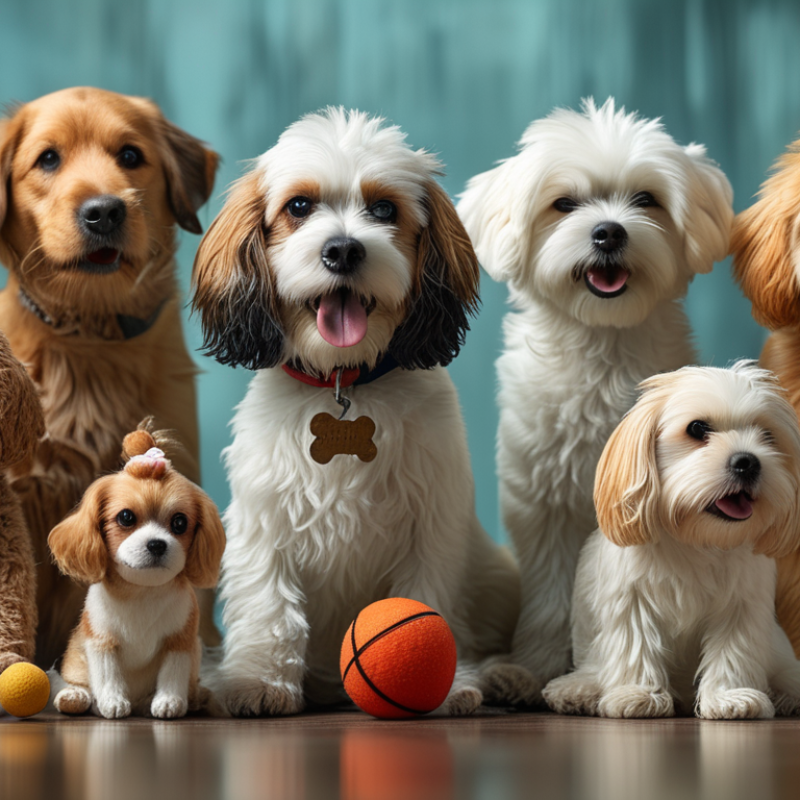
How Many Toys Should a Dog Have for Optimal Playtime?

Factors Influencing the Number of Toys for Dogs

When considering how many toys to provide for your dog, several factors come into play. A dog’s age, size, and energy level significantly influence their toy needs. Young, energetic dogs often require more toys to keep them engaged. Conversely, older dogs may prefer a few favorites. Balance is key. Having too many toys can lead to indecision. Dogs might feel overwhelmed, and they may not play with any at all.

The type of toys also matters. Some dogs enjoy chew toys, while others prefer interactive ones. Toys that promote problem-solving can be entertaining. If a dog shows little interest in a toy, it's important to observe why. Are they bored? Is it too challenging? This reflection can lead to a more tailored toy selection. A mix of different types can provide variety, but finding the right balance is essential for a satisfying playtime experience.

Recommended Toy Count Based on Dog Size and Breed

Choosing the right number of toys for your dog can greatly enhance their playtime. The ideal toy count often depends on the dog's size and breed. According to a survey by the American Kennel Club, smaller breeds typically benefit from having around 5 to 8 toys. Larger breeds might require 8 to 12 toys to keep them engaged. These figures come from extensive research, showing that variety is key in preventing boredom.


Different breeds have varying play needs. For instance, herding breeds, like Border Collies, thrive on active play with mentally stimulating toys. A study from PetSmart found that these breeds need at least 10 to 15 toys, including interactive puzzles. Conversely, toy breeds, such as Chihuahuas, may not require as many. This difference highlights the importance of considering breed characteristics when selecting toys.


It's important to rotate toys regularly. Keeping a fresh selection can prevent your dog from becoming disinterested. A survey revealed that dogs may respond positively to new toys every few weeks. However, constantly buying new toys can lead to clutter and choices that confuse the dog. Finding a balance requires observation and understanding of your dog's preferences. Each dog is unique; some may find joy in a few well-chosen toys, while others need more.

The Role of Variety in Dog Toy Selection

Dogs thrive on variety in their playtime. Offering different types of toys can enhance their play experience. Dogs have distinct preferences. Some love squeaky toys, while others enjoy chewable items. The right choice depends on your dog’s personality and energy level.

Variety prevents boredom. A single toy can lose its appeal quickly. Changing toys keeps the excitement alive. Rotating their selection can stimulate their minds. Dogs, like humans, appreciate novelty. Mixing plush toys, balls, and interactive puzzles can cater to their diverse interests.

Sometimes, less is more. Too many toys can lead to confusion. A clutter of options may overwhelm them. It's important to observe which toys they engage with the most. Understanding their favorites can help you curate a more effective playtime. Ultimately, the goal is to create enjoyable and enriching experiences for your furry friend.

How Many Toys Should a Dog Have for Optimal Playtime?

This chart illustrates the recommended number of different types of toys for dogs to facilitate optimal playtime and engagement.

Safety Considerations When Choosing Dog Toys

When selecting toys for your dog, safety is paramount. Dogs are known to chew, tug, and sometimes swallow. Thus, it’s essential to choose toys made from non-toxic materials. Check for any small parts that could be a choking hazard. Toys with sharp edges should also be avoided. Always ensure the toy is the right size for your dog to minimize risks.

Tips for choosing safe dog toys: Opt for those designed specifically for dogs. Look for strong seams and durable materials. Regularly inspect toys for wear and discard any that show signs of damage. This will help prevent accidents and injuries during playtime.

Another point to consider is your dog’s play style. Some dogs prefer soft toys to cuddle, while others love rugged chew toys. A careful observation can help you identify what works best for your pet. Remember, not every toy suits every dog. It’s a process of trial and error to find the best match. Stay vigilant, ensuring that every toy contributes to safe and enjoyable play.

Signs Your Dog May Need More or Fewer Toys

When assessing whether your dog has the right number of toys, look for specific signs. Dogs may show signs of boredom or frustration if they have too few toys. According to a 2021 survey by the American Pet Products Association, dogs thrive with at least three to five engaging toys. Fewer toys can lead to destructive behavior or increased anxiety.

On the flip side, an abundance of toys can also overwhelm your pet. Dogs may ignore toys if they are not appealing or if there are too many options. The Humane Society suggests rotating toys to maintain interest. If your dog consistently ignores their toys, it may be a sign they need fewer or different ones. Pay attention to how they interact with their toys. Are they playing actively, or are they simply sniffing and moving on?

Overall, the right balance is crucial. Observe your dog's behaviors and adapt their toy collection accordingly. Every dog is different, and continuous adjustment may be necessary. You may even discover new preferences over time. Careful observation and responsiveness to your dog's needs lead to better playtime experiences.

How Many Toys Should a Dog Have for Optimal Playtime? - Signs Your Dog May Need More or Fewer Toys

Toy Type Recommended Quantity Signs of Need for More Signs of Need for Fewer
Chew Toys 2-4 Boredom, Destructive Chewing Loss of Interest
Fetch Toys 3-5 Increased Energy, Excessive Barking Avoidance of Playtime
Puzzle Toys 1-3 Restlessness, Attention Seeking Overwhelmed by Options
Soft Toys 2-6 Excessive Tugging, Anxiety Neglect of Toys
Interactive Toys 1-2 Desire for Engagement, Lack of Focus Short Play Sessions

FAQS

: How many toys should I provide for my dog?

: The number of toys depends on your dog's age, size, and energy level.

Do younger dogs need more toys?

Yes, young, energetic dogs usually require more toys to stay engaged and active.

Can too many toys be a problem?

Yes, having too many toys may overwhelm dogs, leading them to play less.

What types of toys do dogs prefer?

Dogs enjoy various toys, such as chew toys and interactive puzzles that promote problem-solving.

How many toys are recommended for different breeds?

Smaller breeds need around 5 to 8 toys; larger breeds may need 8 to 12 toys for engagement.

Why is it important to rotate toys?

Rotating toys keeps playtime fresh and interesting, reducing the chance of boredom.

How can I ensure the toys are safe?

Choose non-toxic toys, avoid small parts, and inspect toys regularly for damage.

What should I consider about my dog's play style?

Observe your dog’s preferences. They may enjoy soft toys or rugged chew toys differently.

Is it necessary to buy new toys often?

Constantly buying new toys can create clutter. Focus on a mix that suits your dog’s taste.

Can I find the right toy on the first try?

Finding the best toys for your dog often requires trial and error. Keep experimenting!

Conclusion

When considering how many toys should a dog have for optimal playtime, several factors come into play, including the dog's size, breed, and individual personality. Generally, smaller breeds may be satisfied with fewer toys, while larger breeds often require a greater number to meet their energy levels and play needs. Additionally, variety in toy selection is crucial, as dogs benefit from different types of toys that stimulate their senses and encourage different forms of play.

Safety is also a paramount concern; pet owners should ensure that toys are appropriate for their dog's size and made from non-toxic materials. Signs that your dog may need more or fewer toys can include boredom with their current selection, destructive behavior, or an overabundance of toys leading to disinterest. Ultimately, understanding how many toys should a dog have requires attentiveness to their behavior and preferences, ensuring an enriching play experience tailored just for them.

Ethan

Ethan

Ethan is a seasoned marketing professional with a deep expertise in our company's innovative product line. With a passion for sharing knowledge and insights, he takes the lead in regularly updating our corporate blog, where he explores industry trends, product features, and effective marketing......