In today's pet industry, understanding how to identify high-quality dog toys is essential for retailers and imports. The global pet toy market is projected to grow significantly, reaching over $3 billion by 2027, as reported by industry analysts. High-quality toys contribute to pet health and satisfaction, driving consumer choices.
When evaluating dog toys, look for durability, safety, and material quality. Many toys fail in these areas, leading to frustration for both pets and owners. Studies indicate that poorly made toys can pose choking hazards or cause injuries, emphasizing the importance of quality. Consumers often rely on brands with proven safety records and positive reviews.
Focusing on specific attributes, such as non-toxic materials and strong seams, can guide import decisions. Yet, even established brands may experience recalls due to safety concerns. Therefore, continuous assessment of market trends and consumer feedback is vital. This attention to detail can make a significant difference in how to identify high-quality dog toys.
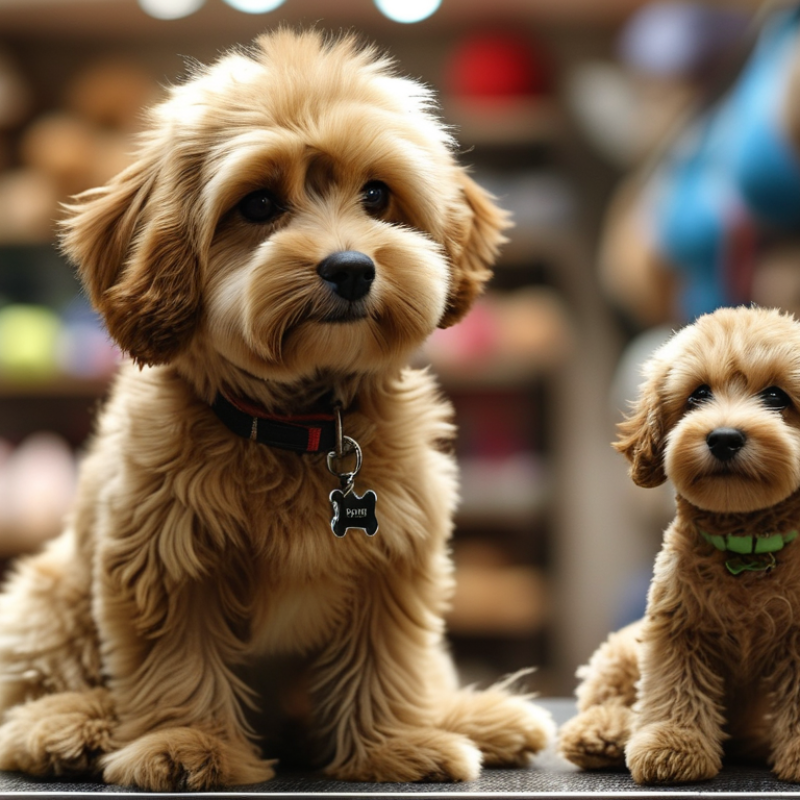
When selecting high-quality dog toys, focusing on durable materials is crucial. Research shows that chewed toys account for a significant percentage of dog toy returns, often due to poor material choices. Premium dog toys typically incorporate materials like natural rubber, ballistic nylon, or heavy-duty canvas. These materials can withstand rough play and extend the life of the toys. A study by the American Pet Products Association highlights that toys made from such robust materials reduce the likelihood of wear and tear by up to 60% compared to cheaper alternatives.
Another essential aspect is understanding safety standards. The American Society for Testing and Materials (ASTM) has established rigorous testing processes for pet toys. Their guidelines assess factors like toxicity and durability. Any toy that fails these evaluations may pose risks to pets, leading to health issues. Industry reports indicate that about 30% of recalled pet products were due to non-compliance with these safety standards. Knowing these guidelines can help you choose toys that not only last longer but are also safe for pets to interact with.
Additionally, consider the dog’s play style. Aggressive chewers require different toys than more gentle players. Observing your dog’s interaction with toys can provide insight into what materials hold up best. Years of empirical data from veterinarians suggest that owners should frequently evaluate their pet's toys for signs of wear. This ongoing assessment can prevent accidental ingestion of plastic pieces or harmful fibers.
When importing dog toys, safety certifications are crucial. Compliance with ASTM and EN standards ensures that products are safe for pets and consumers. ASTM standards focus on the safety of materials, including the absence of harmful chemicals. EN standards emphasize mechanical safety aspects. These regulations help mitigate risks associated with pet toys.
Industry reports indicate that up to 30% of pet products fail safety tests due to non-compliance. Many toys do not meet required safety thresholds, which can lead to potential hazards. For example, small parts may pose choking risks, while toxic materials can harm pets. Responsible importers must verify certifications before purchasing dog toys.
Understanding these safety standards is not just about compliance. It reflects a commitment to quality. Some organizations provide updated safety data, ensuring continual improvement. However, it is essential to remain vigilant. Many toys marketed as safe may still lack proper certifications. Double-checking documentation is key. The effort to ensure safety pays off in the long run by building trust with consumers.
| Toy Type | Material | Safety Certification | Standard Compliance | Recommended Age Group |
|---|---|---|---|---|
| Chew Toy | Natural Rubber | ASTM F963 | EN 71 | 6 months+ |
| Plush Toy | Polyester Fiber | EN 71-1 | EN 71-2 | 3 years+ |
| Ball Toy | TPR (Thermoplastic Rubber) | ASTM D4236 | EN 71-3 | 6 months+ |
| Rope Toy | Cotton | ASTM F963 | EN 71 | 1 year+ |
| Fetch Toy | Nylon | ASTM D4236 | EN 71-1 | 6 months+ |
Choosing the right dog toy requires understanding the unique traits of different breeds. Size matters greatly. A small toy can pose a choking hazard for larger dogs. Conversely, a large toy may not be suitable for tiny pups. Pay attention to the dimensions. Consider the strength of a breed's jaw. Strong chewers need durable materials. In contrast, delicate toys may suit more gentle breeds.
Observing a dog’s play behavior is crucial. Dogs that enjoy tugging games need toys that can withstand pulling. Active breeds often benefit from interactive toys that engage their intellect. Look for toys with varying textures to stimulate their senses. Engaging their natural instincts is important for overall health. Yet, some toys may not hold their interest long. Watching their reactions can guide your decisions.
Reflect on the materials used in the toys. Safe, non-toxic options ensure playtime is fun and safe. If a toy wears out quickly, it may create concerns. Ensure the toys are easy to clean. This is often overlooked, but hygiene affects a dog’s well-being. Investing time in understanding these elements can lead to better choices for our furry friends.
When selecting high-quality dog toys, interactive design elements play a crucial role. Dogs need stimulation to prevent boredom and destructive behaviors. Toys that incorporate features such as puzzles or treat dispensers can enhance engagement. According to a study by the American Pet Products Association, 70% of dog owners observe improved behavior when their pets engage with interactive toys.
Consider toys that encourage physical activity. Toys that bounce erratically or make noise tend to captivate dogs’ attention. The Association for Pet Obesity Prevention notes that 56% of U.S. dogs are overweight. Engaging toys can combat this by promoting play and exercise. Their unpredictable movements keep dogs active and mentally stimulated.
However, it is vital to reflect on safety. Some interactive elements may pose risks, such as small parts that can be ingested. Always check for durability and materials used. Not every engaging toy is safe for every breed. Adapting to the unique needs of individual dogs is essential. Assessing the design features of dog toys will help identify high-quality options that provide enjoyment and safety.
This chart highlights the importance of various design features in high quality dog toys based on a rating scale from 1 to 10. Durability and safety materials are crucial, while easy to clean is relatively less prioritized.
The demand for eco-friendly and sustainable dog toys is soaring. A recent market analysis showed that over 55% of pet owners prefer eco-conscious products. This trend aligns with the increasing focus on environmental issues. Consumers are looking for toys made from recycled materials or non-toxic substances. These toys not only last longer but also reduce environmental impact.
Evaluating the quality of these toys is crucial. Look for certifications indicating that materials are safe and sustainable. Many companies now emphasize transparency in their production processes. An ASTM International study highlighted that consumers are willing to pay up to 30% more for green products. This shift demonstrates a market ripe for high-quality, sustainable options.
When sourcing toys, consider local suppliers who prioritize eco-friendly practices. Seek out manufacturers who can provide detailed information about their materials. Engaging with consumers through surveys can also shed light on preferences. Understanding the target market is essential. Transparency in sourcing builds trust and enhances brand loyalty.
: Opt for natural rubber, ballistic nylon, or heavy-duty canvas. These materials resist wear and extend toy life.
Safety standards prevent health risks. Toys must pass tests for toxicity and durability to be safe for pets.
Observe your dog’s play behavior. Aggressive chewers need tougher toys, while gentle players may enjoy softer options.
Regularly check for wear, tears, or loose parts. This can prevent accidental ingestion of harmful pieces.
Yes, size matters. Small toys can choke large dogs, while large toys may not suit tiny pups.
Very important. Dirty toys can harbor bacteria, so choose ones that are easy to clean and maintain.
Yes, toys with varying textures and interactive features can stimulate your dog's interest and encourage play.
Toys that fail can pose serious health risks, leading to recalls and potential harm to your pet.
Familiarize yourself with safety guidelines and choose toys that comply with industry standards for safety and durability.
Absolutely. Different breeds have varying strength and play styles, influencing the type of toys that are suitable.
When considering how to identify high-quality dog toys for importing, it’s essential to focus on several key aspects. First, durable materials are critical; manufacturers should adhere to industry standards to ensure that toys can withstand vigorous play. Additionally, evaluating safety certifications such as ASTM and EN standards guarantees that the toys are safe for pets. Understanding the specific needs of different dog breeds based on their size and play behavior helps tailor the right toys for targeted markets.
Furthermore, assessing toy design features that promote interactivity can enhance engagement and satisfaction for dogs. Finally, keeping an eye on market trends, particularly the growing demand for eco-friendly and sustainable toys, can provide a competitive edge. By focusing on these areas, importers can effectively determine how to identify high-quality dog toys that meet consumer needs and ensure pet safety.

Pitbull Toy