How Often Should You Replace Dog Toys for Safety and Health?

Time:2026-06-25 Author:Liam
0%

In the world of pet care, understanding how often should dog toys be replaced is crucial for your dog's health. According to the American Kennel Club, worn-out toys can harbor harmful bacteria. Over 70% of pet owners don't replace toys frequently, risking their pets' safety.

Veterinary experts recommend assessing toys regularly for wear and tear. Chew toys can break, posing choking hazards. Soft toys may become infested with parasites after prolonged use. Therefore, timely replacement is essential for maintaining a safe play environment.

Many pet owners tend to overlook the signs of a toy's decline. Visible damage or persistent smells indicate it’s time for a change. Awareness of these details can prevent health issues for your furry friend. Ultimately, understanding the frequency of replacement not only supports your pet's enjoyment but also enhances their overall well-being.
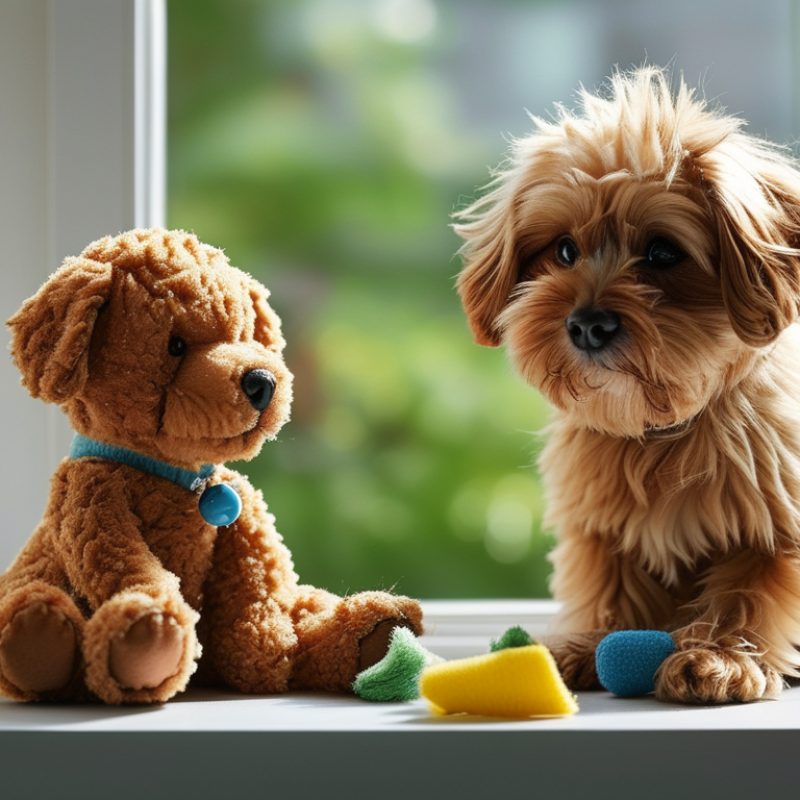
How Often Should You Replace Dog Toys for Safety and Health?

Factors Influencing the Lifespan of Dog Toys: Materials and Usage

The lifespan of dog toys can vary greatly based on materials and the way they are used. Toys made from rubber or nylon tend to last longer than plush toys. A study published by the Veterinary Record highlights that 70% of dog owners replaced toys only when they are visibly damaged. However, damage isn't always visible. Micro-tears can harbor bacteria, posing health risks. It's essential to inspect toys regularly, even when they look intact.

Usage also plays a crucial role in toy longevity. Active chewers may wear out toys in days or weeks, while less aggressive dogs might keep a toy for months. According to a report from the American Kennel Club, 38% of dog owners noticed a decline in their dog's interest once a toy showed signs of wear. This indicates that not only physical safety is a concern but also the psychological impact on dogs. A toy that is no longer engaging can lead to boredom and destructive behavior.

Material safety is another factor. Some cheaper toys might contain harmful chemicals. The World Health Organization suggests that regular monitoring of toys for safety could prevent issues. Owners should consider replacing toys periodically, even if they appear safe, to ensure their pets' health. This proactive approach fosters a safe play environment and minimizes risk.

Statistics on Dog Injury Related to Old or Damaged Toys

Old or damaged dog toys can pose significant risks to pets. According to a survey from the American Veterinary Medical Association, nearly 30% of dog owners reported their pets had sustained injuries related to toys. This includes choking hazards and cuts from sharp edges. It’s concerning that many pet owners may overlook the wear and tear on toys, assuming they are still safe.

Regular inspection is crucial. A study by the Pet Product Manufacturers Association revealed that nearly 70% of pet injuries occur from crushed or torn toys. Toys designed for aggressive chewers often break down faster. Rubber toys can develop cracks that are hard to detect. These small fractures can trap bacteria, leading to infections.

Veterinarians recommend a toy replacement every 3 to 6 months. The frequency may increase for heavy chewers. Many owners underestimate the potential dangers lurking in seemingly intact toys. Keeping a close eye and choosing high-quality toys can create a safer play environment. Regularly assessing your dog’s toys is essential for their health and safety.

Signs Your Dog's Toys Need Replacement for Health Safety

As a dog owner, monitoring your pet's toys is crucial for their health. Signs of wear and tear often indicate it's time for a replacement. If you notice frayed edges, loose pieces, or any soft spots, it's better to act quickly. Dogs can swallow small pieces, leading to choking hazards or digestive issues. A close inspection is necessary after every play session.

Discoloration can also signal that a toy has lost its integrity. Faded colors might suggest the material is breaking down. Pay attention to unusual odors or a sticky texture. These can be signs of bacteria buildup, which poses serious health risks. Regularly cleaning toys is essential, but sometimes a replacement is unavoidable.

When in doubt, it's good to keep a stock of safe, durable toys on hand. This not only keeps your dog engaged but also helps avoid the pitfalls of damaged toys. It’s a journey of discovery, finding what keeps your pup happy and safe. Always prioritize their well-being over cost or convenience.

Recommended Replacement Frequency Based on Toy Types and Materials

When it comes to replacing dog toys, understanding the type and material is key. For fabric toys, consider replacing them every few months, especially if they show signs of wear. Frayed edges or exposed stuffing can pose choking hazards. Rubber toys, on the other hand, can last longer, but should be examined regularly. Check for cracks or pieces that might break off. If you notice any deteriorating condition, it's time for a replacement.

Keep an eye on chewing habits. If your dog aggressively chews or tears up toys, replace them more frequently. Toys that are almost destroyed can lead to accidental ingestion, which can be dangerous. Natural materials can be safer but might wear out faster. Maintain a rotation of different types of toys to keep your dog engaged and alert.

Tips: Always supervise your dog with new toys. Watch for any allergic reactions, too. Your dog's safety depends on regular checks. Trust your intuition: if a toy seems unsafe, don’t hesitate to toss it. That simple action can prevent accidents and ensure a healthy playtime experience.

Impact of Regular Toy Replacement on Your Dog's Mental Health and Behavior

Regularly replacing your dog’s toys greatly benefits their mental health and behavior. According to a study conducted by the American Kennel Club, about 70% of dogs show improved mood when given new toys. Fresh toys stimulate curiosity and encourage play, which are crucial for a dog's emotional well-being. Over time, worn-out toys lose their appeal. They may lead to boredom and even destructive behaviors.

Keep an eye on your dog’s toys. If they are frayed or damaged, it is time to replace them. Torn toys can harbor bacteria, affecting your dog’s health. Rotate toys regularly to keep your dog engaged. Dogs thrive on variety. A study from the University of Veterinary Medicine in Vienna found that dogs with varied toys displayed less anxiety and better focus during playtime.

Tips for toy replacement: Use a checklist to track the condition of each toy. Look for signs of wear and tear, such as broken pieces or loose stuffing. Aim to refresh your dog’s toy collection every couple of months. This can keep them excited and mentally stimulated. Your dog’s happiness and safety depend on it.

FAQS

: How often should I replace my dog's fabric toys?

: Fabric toys should be replaced every few months, especially if they show wear.

What signs indicate a rubber toy needs replacing?

Check for cracks or pieces breaking off. If you find any, it’s time to replace it.

How does my dog's chewing behavior affect toy replacement frequency?

Aggressive chewers need more frequent replacements to prevent unsafe ingestion of toy parts.

Why is it important to supervise dogs with new toys?

Supervision helps catch allergic reactions and identify any potential safety issues quickly.

Can worn-out toys affect my dog's mood?

Yes, worn-out toys can lead to boredom and destructive behaviors. New toys improve their mood.

How can I manage my dog's toy collection?

Keep a checklist to track toy conditions, replacing them as needed to ensure variety and engagement.

What happens if I don’t replace damaged toys?

Torn toys can harbor bacteria, posing health risks to your dog and leading to potential accidents.

Do dogs need different types of toys?

Yes, dogs thrive on variety, which keeps them mentally stimulated and engaged during playtime.

How often should I rotate my dog's toys?

Aim to refresh the toy collection every couple of months to keep your dog excited and active.

Is it okay to trust my gut about a toy's safety?

Absolutely. If a toy seems unsafe, don't hesitate to toss it for your dog's safety.

Conclusion

When considering how often should dog toys be replaced, several factors come into play, including the materials used in the toys and the frequency of their usage. Research indicates that old or damaged toys pose significant risks, with many dog injuries related to these unsafe toys. Recognizing signs of wear and tear is crucial for maintaining your dog's health and safety.

It's advisable to replace toys regularly, with frequency varying based on toy types—such as rubber, plush, or rope toys—as well as their material composition. Regularly replacing toys not only prevents potential injuries but also plays a vital role in promoting your dog's mental health and behavior, keeping them engaged and stimulated.

Liam

Liam

Liam is a dedicated marketing professional with a profound expertise in the industry, where he excels at highlighting the unique advantages of our core products. With a keen understanding of market trends and consumer needs, Liam frequently updates our company’s professional blog, providing......