Dogs are more than just pets; they are family members. As responsible owners, we often wonder why do dogs need chew toys. Chew toys offer both physical and mental stimulation for our furry friends. They help prevent boredom, which can lead to destructive behaviors. Choosing the right chew toy can significantly enhance a dog’s happiness and health.
Chewing promotes good dental hygiene. It helps to remove plaque and reduce tartar buildup. Toys designed specifically for chewing can clean teeth effectively. So, using a chew toy isn't just playtime; it supports your dog’s overall well-being.
However, not all chew toys are created equal. Some may not withstand aggressive chewers. Therefore, it’s essential to select durable options. Reflecting on this, we realize our choices matter. Quality chew toys can benefit a dog significantly, ensuring they remain content and healthy. Understanding why do dogs need chew toys connects us to our pets' needs.
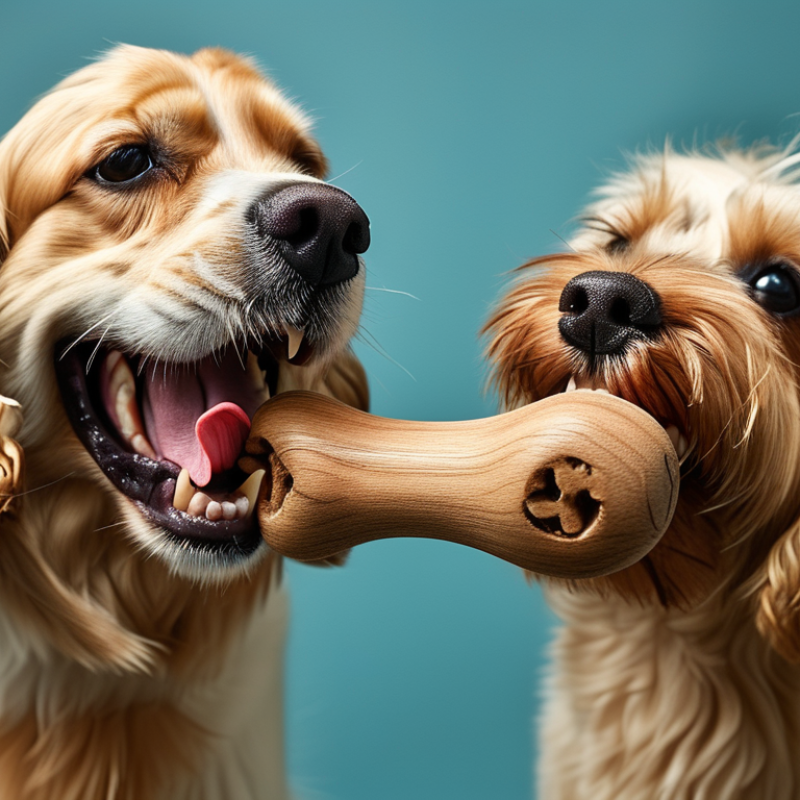
Dental health is essential for dogs, just as it is for humans. Many dog owners overlook their pets' dental care. Poor dental hygiene can lead to serious health issues. Bacteria from periodontal disease may enter the bloodstream. This can harm the heart, liver, and kidneys over time. Regular dental check-ups are crucial for spotting early signs of trouble.
Chew toys play a significant role in maintaining healthy teeth. They help remove plaque and prevent tartar build-up. Chewing stimulates the gums, promoting better blood flow. Not all toys are created equal, though. Some are too hard and can cause tooth fractures. Finding the right balance is important. Monitoring your dog while they play is essential to prevent choking hazards.
Creating a dental routine can be a challenge. Not every dog enjoys having their teeth brushed. Some may resist dental cleanings, making the process stressful. However, incorporating chew toys into playtime offers an alternative solution. It is not only effective but also enjoyable for your dog. Investing time in your dog's dental health will pay off in many ways. Healthy teeth lead to a happier, more active pet.
Chew toys play a vital role in maintaining dogs' oral health. Chewing promotes good dental hygiene by reducing plaque and tartar buildup. This action helps prevent gum disease. Healthy teeth keep your dog's smile bright. Dogs enjoy chewing; it relieves stress and boredom. A simple chew can transform a dull moment into joyful play.
Recent studies show that dogs with regular access to chew toys have fewer dental issues. Look for toys made from durable materials. Rubber and nylon are often recommended. They withstand heavy chewing while being gentle on teeth. Monitor your dog's chewing habits. Always ensure your pet does not swallow large chunks.
Tips: Rotate different chew toys to keep your dog engaged. Introduce new textures and flavors to maintain interest. Always supervise your dog while they chew. This makes for safer playtime. Remember, not all toys suit every dog. Observe your pet’s preferences and make thoughtful choices. Proper care today leads to happier, healthier pets tomorrow.
This chart illustrates the various benefits of chew toys for dogs and their impact on oral health, playtime, and overall wellbeing.
Chew toys play a critical role in maintaining a dog's dental health and promoting playfulness. Certain types of chew toys, like rubber and nylon, help reduce plaque buildup and strengthen gums. A study by the American Veterinary Dental College found that regular chewing can significantly lower the risk of periodontal disease in dogs. About 80% of dogs show signs of dental disease by age three, highlighting the importance of early intervention through chewing.
Natural chew toys, made from bones or antlers, can also stimulate a dog's instinctual behaviors. They offer a satisfying resistance and help prevent boredom. However, it’s essential to supervise chewing sessions. While many dogs enjoy this type of toy, they can sometimes splinter. Pet owners should choose appropriate sizes and monitor their dog’s reaction. Chew toys not only promote cleanliness but also channel a dog’s energy. Engaging in regular chewing can keep dogs mentally sharp and physically satisfied.
Interactive chew toys, designed for puzzles, encourage problem-solving skills. These toys can release treats, further enhancing engagement. According to pet behaviorists, a bored dog is more likely to develop destructive habits. Engaging a dog with the right chew toys can combat this issue while supporting their overall well-being. Yet, finding a balance is key. Not every toy suits every dog, and owners need to assess preferences and behavior regularly.
Chewing is a natural behavior for dogs. It provides mental stimulation and helps reduce anxiety. When dogs chew, they engage their minds and bodies. This activity can alleviate boredom and keep them occupied. A busy dog is often a happy dog.
Chewing also plays an essential role in maintaining strong teeth. Certain chew toys can help remove plaque and tartar buildup. This process promotes better dental health. Healthy teeth lead to better overall well-being for dogs. Watching them happily gnaw on a toy can be a joy. It’s satisfying to see a pet engaged and content.
However, not all chew toys are created equal. Some may break easily or pose choking hazards. It's crucial to choose toys appropriate for your dog’s size and chewing strength. Regularly inspect toys for wear and tear. Responsible pet ownership includes reflecting on these choices. In a world filled with options, finding the right toy is vital for safe and healthy play.
Choosing the right chew toys for your dog is essential for their dental health and happiness. Dogs naturally chew to relieve stress and boredom. So, selecting appropriate toys can keep them occupied and support their teeth. Good chew toys are durable and safe. Look for materials that can withstand strong jaws.
Consider your dog's size and chewing habits. Small dogs need smaller toys to prevent choking. Larger dogs might require more robust options. Some dogs prefer soft toys, while others enjoy harder materials. Observe your dog's preferences and switch toys occasionally to maintain their interest.
Safety is crucial. Avoid toys with small parts that can be swallowed. Check for toxic materials, as some toys can be harmful. A toy should be easy to clean or rinse after playtime. Reflect on your dog's reaction. If a toy is not engaging, it might be time for a change. This ensures your furry friend stays happy and healthy.
: Chew toys help maintain dogs' oral health and prevent dental issues. They reduce plaque and tartar buildup.
Chewing provides mental stimulation and alleviates anxiety. It keeps dogs occupied and relieves boredom.
Durable materials like rubber and nylon are often ideal. They withstand heavy chewing without harming teeth.
Yes, supervising is essential. It ensures safe play and prevents dogs from swallowing large chunks of toy.
Rotate different toys and introduce new textures or flavors. This keeps their playtime engaging and fun.
Consider your dog's size and chewing strength. Not all toys suit every dog; thoughtful choices are key.
Regularly check for wear and tear. A responsible pet owner should reflect on toy safety and suitability.
Yes, a busy dog is often a happy dog. Chewing can contribute significantly to their mental and physical well-being.
Healthy teeth contribute to the overall well-being of dogs. A bright smile reflects good oral hygiene practices.
Swallowing large chunks can pose risks. Always monitor chewing habits to ensure your pet’s safety during play.
Dogs need chew toys for several critical reasons, primarily related to their dental health and overall well-being. Regular chewing helps to clean dogs' teeth, reducing plaque buildup and preventing dental diseases. This highlights the importance of dental health in dogs, as poor oral hygiene can lead to serious health issues.
Understanding the role of chew toys in oral care reveals that not all toys are created equal. Different types of chew toys offer varying benefits; some are designed specifically to promote dental hygiene, while others stimulate mental engagement and physical activity. Chewing not only aids in maintaining healthy teeth but also encourages playfulness and reduces boredom. When choosing chew toys, owners should consider their dog's size, chewing habits, and preferences to ensure they find the right fit. In conclusion, understanding why do dogs need chew toys is essential for promoting a happy, healthy lifestyle for our canine companions.

Pitbull Toy