Choosing the right toy for your dog involves considering size, breed, and activity level. According to Dr. Emily Foster, a canine behavior expert, "The size of the toy truly matters for your dog’s enjoyment and safety." Dog toys come in various sizes. Picking one that fits your dog perfectly can enhance playtime and prevent accidents.
When asking, "what size dog toy should I buy for my dog?" think about their size and chewing strength. For small breeds, a lightweight, soft toy is ideal. Larger breeds often need something more durable and bigger to match their strong jaws. A toy that is too small can pose a choking hazard, while one that is too big might be difficult to handle.
Investing in the right size can boost your dog's happiness. Observing your pet's response reveals how they interact with toys. It’s essential to reassess your choices over time. A toy that was perfect last year may not fit their current needs. Make sure to take size seriously for safety and fun.
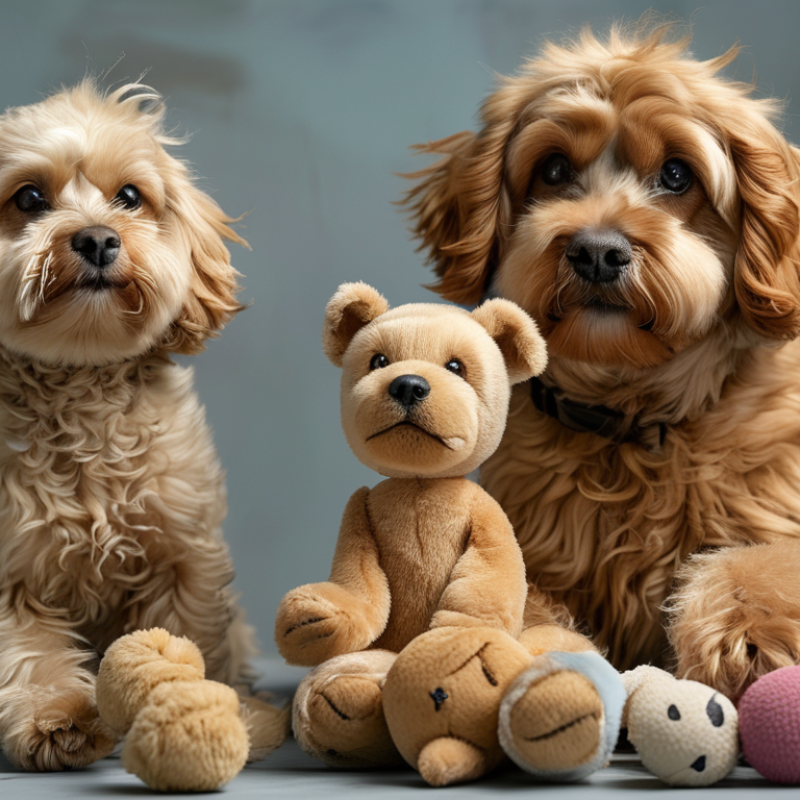
Choosing the right size of dog toy is essential for your pet's safety and enjoyment. Understanding your dog's breed, age, and chewing style can guide your decisions. A small dog might struggle with a large toy, and it could pose a choking hazard. On the other hand, large breeds often require sturdier toys to withstand their powerful jaws.
Different types of dog toys cater to various needs. For instance, softer toys are ideal for pups and older dogs with sensitive teeth. Durable chew toys work well for aggressive chewers; however, they may not be suitable for every dog. It's crucial to observe how your dog interacts with their toys. Do they destroy them quickly, or do they seem uninterested? These observations will help refine your choices in the future.
Consider incorporating toys that promote mental stimulation. Puzzle toys can keep dogs engaged for hours. However, some dogs may find them frustrating. Balance is vital. Always supervise playtime, especially when introducing new toys. This ensures that your dog remains safe and happy while exploring their playthings.
Choosing the right dog toy size involves several important factors. Each dog has unique needs based on their breed, size, and chewing habits. A toy that is too small could be a choking hazard. It’s crucial to assess your dog’s mouth size first. For small breeds, choose toys designed for tiny jaws. For larger breeds, ensure the toys are robust.
Think about your dog’s activity level as well. Active dogs may require durable toys that can withstand heavy use. Chewing style is another factor; aggressive chewers need tougher materials. Toys that are soft may not last long for them. Look for indicators of wear and tear regularly.
Interactive toys might also influence size choice. Some require larger components for better engagement. Pay attention to your dog’s play style when choosing. If they tend to lose interest quickly, consider toys that offer variety in sizing and texture. Remember, not every toy will be a perfect fit right away. It’s okay to experiment until you find what truly works for your furry friend.
Choosing the right dog toy size for your pet is crucial. Different breeds have distinct needs. According to the American Kennel Club, toy size should match the dog’s breed and chewing strength. Small toys may pose choking hazards for larger breeds. Conversely, oversized toys can frustrate small dogs.
For example, a Chihuahua may thrive with toys no larger than 4 inches. Meanwhile, a Labrador Retriever would benefit from toys between 6 and 8 inches. A recent study suggested that 70% of dog owners noted improvements in their dog's playtime when using appropriately sized toys. Dogs are more engaged with toys that fit their mouths comfortably.
When assessing toy sizes, consider your dog's chewing habits. Aggressive chewers often destroy smaller toys quickly. This can lead to ingestion risks. In contrast, softer, larger toys may provide safer play. Pay attention to wear and tear, as toys that break easily can harbor sharp edges. By understanding these dynamics, pet owners can make informed decisions.
Choosing the right size dog toys is vital for your pet's safety and enjoyment. A toy that's too small can pose a choking hazard, while one that's too large may be difficult for your dog to handle. Observe how your dog interacts with toys. If they struggle or seem frustrated, it’s a sign to try a different size.
Material matters too. Dogs have different chewing styles. For aggressive chewers, consider durable toys made from sturdy materials. Soft toys may not last, but they can satisfy gentle chewers. Always inspect toys for damage. Frayed edges or broken pieces can be hazardous.
Size varies between breeds. A Great Dane and a Chihuahua require different toys. Measure your dog’s mouth and play style carefully. Toys should encourage playful behavior but not cause harm. Keeping safety in mind when selecting toys can enhance your dog’s playtime experience. Regularly reassessing their toys is essential. This practice ensures they always have safe and engaging options.
Transitioning your dog to new toy sizes can be a delicate process. Dogs rely heavily on familiarity, and sudden changes may cause anxiety. According to a 2021 survey by the Pet Food Manufacturers' Association, 78% of pet owners reported that their dogs showed preference for specific toy sizes. This indicates that size matters significantly in your dog’s playtime experience.
Begin the transition slowly. Introduce a toy size that is slightly larger or smaller than what your dog is used to. Observe their reactions closely. If they seem hesitant, try engaging them with their familiar toys first. Make the new toy enticing by using treats or encouraging playtime. A 2019 study conducted by the Association of Pet Behaviour Counsellors highlighted that a gradual introduction could foster a positive response, with 67% of dogs adapting well when provided ample encouragement.
Monitor your dog's behavior during this phase. Some dogs may enthusiastically embrace the change, while others may need more time to adjust. Be patient. If your dog fails to engage with the new toy after several attempts, reconsider its size or type. It's okay to feel unsure or unsuccessful at times; understanding your dog's unique preferences requires time and observation.
: The right size toy ensures safety and enjoyment. A small toy can be a choking hazard. A large toy can be hard to handle.
Observe your dog’s interaction. If they struggle or show frustration, it might be time to try a different size.
Material matters. Aggressive chewers need durable toys. Gentle chewers may enjoy softer toys, but those wear out faster.
Regular inspections are essential. Frayed edges or broken pieces can pose risks to your dog’s safety.
Size varies widely between breeds. A Great Dane needs different toys than a Chihuahua. Measure your dog for better choices.
Start slowly with a slightly larger or smaller toy. Use familiar toys and treats to encourage interaction.
Be patient. If they don’t engage after several tries, reconsider the size or type. Understanding takes time.
Yes, dogs may develop new preferences. Regularly reassess their toys to ensure they remain safe and engaging.
Use treats or enhance playtime with familiar toys. This can help encourage your dog to adapt to the new toy.
Absolutely. Many dogs show a clear preference for certain sizes. Familiarity is key to their comfort and enjoyment.
Choosing the right size dog toy is crucial for the safety and enjoyment of your pet. Pet owners often ask, "what size dog toy should I buy for my dog?" This article provides a comprehensive guide, starting with an understanding of dog toy sizes and the factors that need to be considered, such as your dog's breed, age, and chewing habits.
The piece highlights the top 10 recommended dog toy sizes tailored for different breeds, ensuring that you find the perfect fit for your furry friend. Additionally, it offers essential safety tips for selecting the appropriate toy size and discusses how to help your dog transition to new toy sizes smoothly. By following these guidelines, you can enhance your dog's playtime experience while maintaining their safety.

Pitbull Toy