Can Dog Chew Toys Improve Your Pet's Dental Health?

Time:2026-07-31 Author:Oliver
0%

Pet owners often seek ways to enhance their furry friends' health. One area of concern is dental hygiene. Recent conversations have emerged around the question: can dog chew toys improve dental health? These toys serve multiple purposes beyond mere entertainment.

Many pet specialists emphasize the role of chew toys in maintaining oral care. They help reduce plaque and tartar buildup as dogs gnaw and bite down. These actions stimulate gums and can even freshen breath. However, not all chew toys are created equal. Some may wear down teeth or pose choking hazards. It is crucial to choose toys that are safe and appropriate for your dog’s size and chewing strength.

Some pet owners may wonder if these solutions are truly effective. Research on chew toys and dental health is ongoing. Moreover, regular veterinary check-ups remain vital for understanding your dog’s specific needs. Balancing chew toys with routine dental practices is essential. Therefore, while dog chew toys can be part of a dental health strategy, they should not replace professional veterinary care.
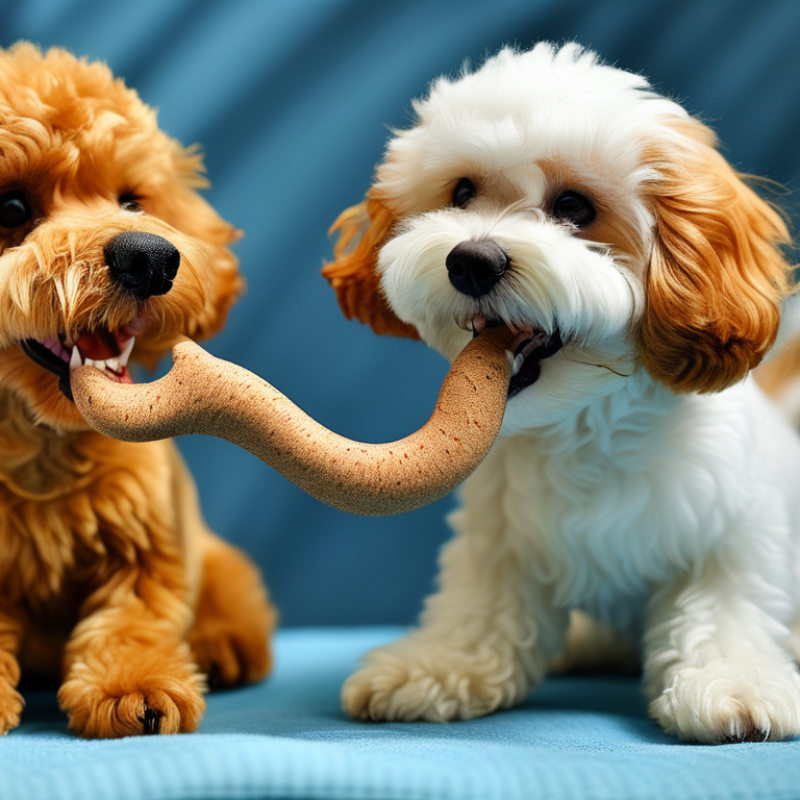
Can Dog Chew Toys Improve Your Pet's Dental Health?

The Role of Chew Toys in Maintaining Dog Dental Health

Chew toys can play a significant role in maintaining your dog's dental health. Dogs are natural chewers. They instinctively want to gnaw on various items. Appropriate chew toys can help in cleaning their teeth. As dogs chew, the friction helps remove plaque and tartar build-up. This reduces the risk of dental diseases.

While chew toys assist with dental hygiene, not all options are created equal. Durability matters. Some toys may break apart easily, posing choking risks. Regular inspection of chew toys is necessary to ensure your pet's safety. A damaged toy can lead to more harm than good. Also, not every dog will be interested in the same type of toy. It's essential to observe what your dog enjoys most.

Consistency is key. Incorporating chew toys into your dog's daily routine fosters better dental habits. This process can also strengthen your bond with your pet. However, relying solely on chew toys isn’t enough. Regular vet check-ups are crucial for overall dental health. Chew toys are helpful, but they should be part of a comprehensive dental care strategy.

Can Dog Chew Toys Improve Your Pet's Dental Health?

Chew Toy Type Material Dental Benefits Recommended for
Rubber Chew Toys Rubber Helps reduce plaque and tartar buildup Aggressive chewers
Dental Chews Digestible material Promotes gum health and freshens breath All dogs
Rawhide Chews Rawhide Helps clean teeth while chewing Medium to large dogs
Nylon Chew Toys Nylon Durable; helps scrub teeth Strong chewers
Dental Sticks Soft edible material Promotes overall oral hygiene All ages

Types of Chew Toys Beneficial for Canine Teeth and Gums

When it comes to maintaining your dog's oral health, chew toys can play a crucial role. Research from the American Veterinary Dental College suggests that nearly 80% of dogs experience dental issues by age three. This statistic highlights the importance of preventive measures. Certain chew toys can help remove plaque and tartar, promoting healthier teeth and gums.

Rubber chew toys, for example, offer a safe and effective option. Their durable texture encourages chewing, which can help scrub the surfaces of teeth. Additionally, nylon bones are known for their hardness, and many dogs enjoy them. A study published in the Journal of Veterinary Dentistry indicated that dogs who regularly chewed on dental toys had a 30% reduction in plaque buildup compared to those that did not.

However, not all chew toys are created equal. Softer toys might be safer for puppies but may not provide the same oral benefits. Some dogs can even damage their teeth with overly tough options. Owners must observe their pet's chewing habits and choose suitable toys accordingly. Balancing durability and safety is vital for ensuring optimal dental health for your canine companion.

Impact of Different Types of Dog Chew Toys on Dental Health

Scientific Studies Linking Chewing with Reduced Plaque and Tartar

Chewing is a natural behavior for dogs and has been linked to dental health. Recent studies indicate that chewing on certain toys can significantly reduce plaque and tartar buildup. Research from the Veterinary Oral Health Council (VOHC) shows that dogs that regularly chew appropriate toys experience up to 70% less plaque accumulation. This data highlights the potential benefits of choosing the right chew toys.

A study conducted by the University of California, Davis, found that dogs who chewed for at least 10 minutes a day had a 25% decrease in gum disease progression. Chewing stimulates saliva production, which helps wash away food particles and bacteria. However, not all toys are effective. Some may not withstand regular chewing, posing a risk of breakage. Choosing durable, textured toys is crucial.

While these findings are promising, individual results may vary. Regular dental check-ups remain essential. Some dogs may take to chewing immediately, while others need time to adapt. Pay attention to your dog’s chewing habits. Adjustments may be necessary to maximize dental health benefits.

Expert Recommendations on Chewing Durations for Optimal Benefits

Chewing is a natural behavior in dogs. It can play a significant role in maintaining their dental health. Experts recommend specific chewing durations for optimal benefits. For many dogs, chewing for about 10 to 15 minutes daily can yield positive results. This duration helps reduce plaque and tartar buildup effectively. According to a recent survey by the American Veterinary Medical Association, 80% of dogs show signs of dental disease by age three. Regular chewing can be an effective preventive measure.

Different dog breeds may require different chewing times. Larger breeds might need longer durations to achieve the same benefits as smaller breeds. Chewing not only cleans teeth but also promotes healthy gums. As dogs chew, they engage their jaw muscles, which can help reduce stress and anxiety. A study conducted by pet behaviorists found that dogs who chew regularly exhibit lower stress levels and better overall behavior patterns.

However, owners must choose appropriate toys. Not all chew toys are beneficial. Some can be too hard and may damage teeth instead of helping. It's crucial to monitor your dog while they chew. This ensures that the toy is safe and appropriate for their size.
Additionally, selecting the right duration tailored to your dog's habits can maximize these dental health benefits.

Potential Risks of Chew Toys to Consider for Your Dog's Safety

When considering dental health, chew toys can offer benefits. However, it's essential to be aware of potential risks. Chew toys made from hard materials may fracture your dog's teeth. A broken tooth can lead to pain and costly veterinary procedures. Always inspect toys regularly for wear and tear. If a toy shows signs of damage, replace it immediately.

It's crucial to choose the right size and type of chew toy. Small toys can pose a choking hazard. Large toys may be too heavy for smaller breeds, leading to muscle strain. Always supervise your dog while they chew. This helps prevent accidents and allows you to monitor their behavior.

Tips to ensure your dog's safety include: selecting toys labeled as "dental health," observing your dog for any signs of discomfort, and consulting your vet for recommendations based on your dog's needs. Remember, not all chew toys are safe. Take the time to find products that genuinely support your dog's dental health while keeping them secure.

FAQS

: Why are chew toys important for my dog's dental health?

: Chew toys help clean teeth and reduce plaque buildup. They support overall dental hygiene.

Can any chew toy be used for dental care?

Not all chew toys are effective. Durability and texture matter greatly for dental health.

How often should I check my dog's chew toys?

Regular inspection is essential. Look for wear and tear to ensure your pet's safety.

How does chewing help reduce plaque?

Chewing stimulates saliva production, which helps wash away food particles and bacteria.

Are there risks associated with chew toys?

Yes, hard chew toys can fracture teeth. Always supervise your dog while they chew.

What should I consider when choosing a chew toy?

Pick the right size and type. Ensure it's durable and suitable for your dog's breed.

How can I tell if my dog likes a chew toy?

Observe their chewing habits. Some dogs may need time to adapt to new toys.

Is it enough to rely solely on chew toys for dental care?

No, regular vet check-ups are crucial for comprehensive dental health. Balance is essential.

What if my dog shows discomfort while chewing?

If discomfort occurs, stop using that toy. Consult your vet for safer options.

How long should my dog chew each day?

Aim for at least 10 minutes daily to maximize the benefits for dental health.

Conclusion

The article explores the question, "Can dog chew toys improve dental health?" emphasizing their role in maintaining canine dental hygiene. It discusses the various types of chew toys that are particularly beneficial for dogs' teeth and gums, highlighting those designed to reduce plaque and tartar buildup. Scientific studies supporting the idea that chewing can lead to improved dental health are presented, alongside expert recommendations on the appropriate duration for chewing sessions to maximize the benefits.

However, the article also raises awareness of potential risks associated with chew toys, urging pet owners to consider their dog's safety when selecting chew items. Overall, while chew toys can be a valuable tool in enhancing dental health, careful selection and usage are essential to ensure the well-being of pets.

Oliver

Oliver

Oliver is a seasoned marketing professional with a wealth of expertise in driving brand awareness and engagement. With a deep understanding of our company's product offerings, he consistently delivers high-quality content that enriches our professional blog. His insights not only shed light on......