How to Disinfect Dog Toys Properly and Keep Them Safe?

Time:2026-07-26 Author:Isabella
0%

Maintaining your dog's health is vital. One often overlooked area is the cleanliness of their toys. Studies show that 60% of dog toys harbor harmful bacteria. This can lead to infections and other health issues. Knowing how to disinfect dog toys properly is essential for pet owners.

Many dog owners may not realize the potential dangers. Toys that seem clean can still collect dirt and bacteria. These pathogens can be harmful, especially to puppies and senior dogs. A report by the American Veterinary Medical Association indicates that diverse bacteria can thrive on dog toys. Regular disinfection is crucial for ensuring your furry friend stays happy and healthy.

Moreover, different materials require unique cleaning methods. Some toys are dishwasher-safe, while others need gentle handwashing. It’s important to reflect on your routine cleaning practices. Are they effective enough? Ensuring the safety of your pet’s toys is a responsibility that shouldn’t be taken lightly. Properly caring for these items can lead to significant health benefits for your dog.
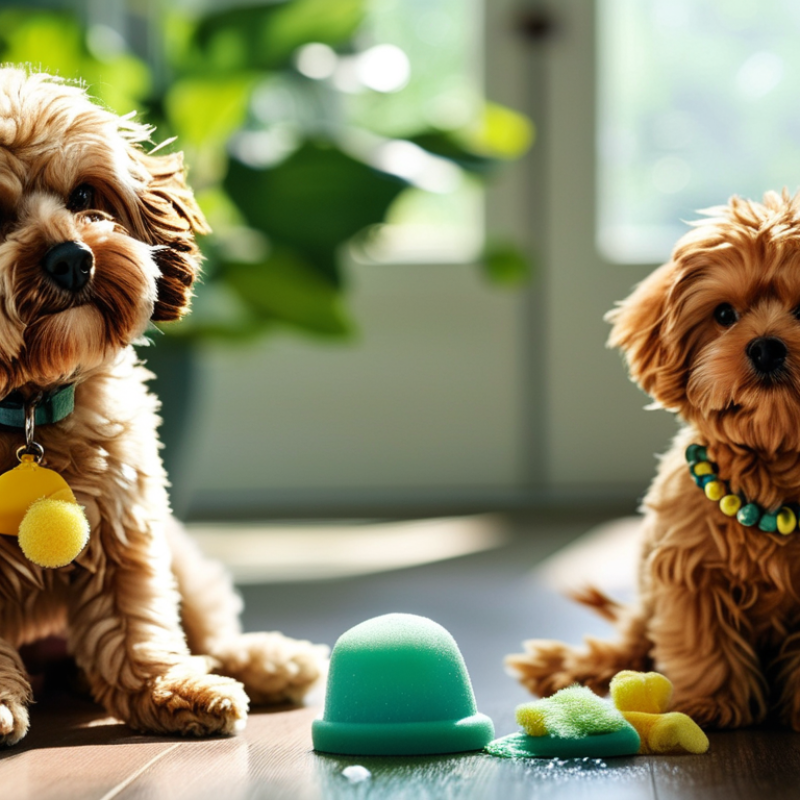
How to Disinfect Dog Toys Properly and Keep Them Safe?

Understanding the Importance of Disinfecting Dog Toys

Disinfecting dog toys is crucial for maintaining your pet’s health. Dogs often chew on their toys, transferring bacteria and germs from their mouths onto these items. Regular cleaning helps prevent infections and diseases. It’s an easy yet essential part of pet care.


Many pet owners overlook the importance of toy hygiene. They might not realize that dirt and saliva can harbor harmful pathogens. Even a favorite rubber bone can become a breeding ground for germs. Washing toys frequently can significantly reduce these risks.


Using safe, non-toxic cleaners is vital. A mixture of warm water and mild soap works well for most toys. Regularly assess the condition of each toy. If a toy shows signs of wear or damage, consider discarding it. Prioritizing hygiene not only protects your dog but also enhances their playtime experience. Keep your furry friend safe and happy with proper toy maintenance.

Recommended Cleaning Solutions for Dog Toys

Disinfecting dog toys is essential for your pet's health. Many cleaning solutions can be safe and effective. One popular option is a mixture of water and white vinegar. This solution helps to eliminate bacteria and odors. Use a 1:1 ratio for most toys. Soak the toys for about 10 minutes, then rinse thoroughly.

Another option is using mild soap with warm water. It works well for rubber or plastic toys. Scrub any dirt or grime gently with a soft brush. For fabric toys, consider laundering them in a washing machine. Using a pet-safe detergent ensures safety.

Remember to avoid harsh chemicals. They can pose risks to your dog's health. Always test any solution on a small area first. While these methods are effective, there may still be lingering germs. Regularly inspect toys for wear and tear. Discard any damaged items to keep your dog safe.

Step-by-Step Guide to Disinfecting Different Types of Dog Toys

Disinfecting dog toys is crucial for your pet's health. Bacteria can thrive on these toys. A study indicated that nearly 70% of pet toys harbor harmful germs. Different materials require different cleaning approaches.

For rubber toys, a simple method works best. Submerge them in a mix of warm water and mild soap. Rinse thoroughly and let them air dry. It's essential to check for cracks where dirt can accumulate. Soft toys can be more challenging. Washing them in a machine on a gentle cycle can kill germs. However, ensure they are colorfast. Many owners overlook this step, risking color fading or damage.

Plastic toys are prone to buildup. Soaking them in a vinegar-water solution is effective. Use a scrub brush to get into any crevices. Afterward, rinse thoroughly. Ensure they are completely dry before giving them back to your dog. Reflect on your cleaning habits. Regularly inspecting toys helps prevent dangerous bacteria. This ongoing vigilance ensures a safe play environment for your furry companion.

Best Practices for Drying and Storing Clean Dog Toys

When it comes to keeping your dog's toys clean, drying and storage are key. After disinfecting, ensure toys are completely dry to prevent mold growth. Use a clean towel to gently pat each toy dry, especially those with nooks and crannies. For sturdier toys, place them on a drying rack or in an open area with good airflow. Avoid direct sunlight, which can degrade some materials over time.

Storing clean toys properly is also essential. Keep them in a container with ventilation, preventing moisture buildup. Avoid sealing them in plastic bags, as dampness can lead to mildew. It's a good idea to rotate toys regularly, keeping your dog engaged and preventing boredom. Be cautious about how long you store them. Regularly check for signs of wear or mold, as even well-stored toys can sometimes harbor germs.

In our quest for cleanliness, we sometimes overlook the smallest details. A few missed spots during cleaning can mean toys aren't truly safe. Reflecting on our routines helps ensure we don’t repeat these mistakes. Take time to re-evaluate your cleaning and storage practices regularly. This ensures the safety and enjoyment of your furry friend’s playtime.

How to Disinfect Dog Toys Properly and Keep Them Safe?

Toy Type Disinfection Method Drying Method Storage Tips
Rubber Toys Soak in vinegar solution (1 part vinegar to 1 part water) Air dry completely on a clean towel Store in a cool, dry place away from direct sunlight
Plush Toys Machine wash on gentle cycle with pet-safe detergent Dry on low heat or air dry Keep in a designated storage bin to avoid contamination
Hard Plastic Toys Wash with warm soapy water and rinse thoroughly Wipe dry with a clean cloth Store in a dry area, preferably on a shelf
Squeaky Toys Submerge in a diluted bleach solution (1:10 bleach-to-water) Ensure it's dried completely, avoiding moisture Keep away from dirt and moisture to avoid mildew

Signs That Your Dog's Toys Need Disinfecting

Keeping your dog's toys clean is essential for their health. Sometimes, however, it can be hard to tell when a toy needs disinfecting. Look for visible dirt or grime. If you notice discoloration or sticking substances, it's time to clean. A smelly toy is also a clear indication. Bad odors often signal bacteria buildup, which can affect your dog.

Check for signs of wear, like frayed edges or broken parts. These can harbor germs. Soft toys can absorb moisture, making them even more prone to bacteria. If your dog frequently chews on a specific toy, inspect it regularly. Make sure it remains safe and sanitized. Pay attention to your dog's behavior with toys. If they seem uninterested or avoid them, it might be time to clean or replace them.

Every dog owner should ensure their pets have safe toys. Disinfecting regularly can prevent potential health issues. Trust your instincts; if something feels off, it probably is. Clean toys keep your furry friend happy and healthy.

FAQS

: Why is it important to disinfect dog toys?

: Disinfecting dog toys prevents infections and diseases caused by bacteria and germs. Dogs transfer saliva onto toys regularly.

What are common cleaning solutions for dog toys?

A mixture of warm water and mild soap works well. A vinegar-water solution also eliminates bacteria and odors effectively.

How often should I clean my dog's toys?

Regular cleaning is crucial. Frequency depends on how often toys are used but should be done consistently.

Can I use harsh chemicals to clean dog toys?

Avoid harsh chemicals. They can harm your dog's health. Always prioritize safe, non-toxic cleaners.

What should I do if a toy is damaged?

Inspect toys often. If a toy shows signs of wear or damage, consider discarding it to ensure safety.

Are there specific methods for cleaning different toy types?

Yes. Rubber toys can soak in soap water, soft toys may go in the washing machine, and plastic toys benefit from scrubbing.

How long should I soak toys in a cleaning solution?

Soaking toys for about 10 minutes helps eliminate bacteria, followed by thorough rinsing to ensure cleanliness.

How can I ensure the cleanliness of fabric toys?

Launder fabric toys in a washing machine using a pet-safe detergent. Check for colorfastness to prevent fading.

What if I still see dirt on toys after cleaning?

Persistence is key. Regularly inspect and clean to combat stubborn residues. Reflect on your cleaning habits if issues persist.

Conclusion

Disinfecting dog toys is essential for maintaining your pet's health and well-being. To understand how to disinfect dog toys properly, it's important to recognize the potential buildup of germs and dirt on these items. Regular disinfection can help prevent infections and allergies in dogs. The recommended cleaning solutions vary based on the material of the toy, but options like vinegar, baking soda, and mild soap are generally safe and effective.

A step-by-step guide to disinfecting different types of dog toys includes soaking, scrubbing, and rinsing, ensuring all residue is removed. Once cleaned, it's crucial to follow best practices for drying and storing toys to prevent mold and bacteria growth. Additionally, being attentive to signs that your dog’s toys need disinfecting—such as visible dirt, bad odors, or discoloration—will help you maintain a clean play environment for your furry friend.

Isabella

Isabella

Isabella is a dedicated marketing professional with a sharp focus on driving brand growth and engagement through strategic content creation. With an extensive background in digital marketing, she combines her passion for storytelling with her keen understanding of industry trends to deliver......