Choosing the right chew toys for dogs is essential for their health and happiness. According to the American Kennel Club, nearly 80% of dog owners report that their pets enjoy chewing. Chew toys can help with dental health, reduce anxiety, and prevent boredom. However, not all toys are created equal.
When considering how to choose the right chew toys for dogs, it's crucial to account for your dog's size, age, and chewing style. A report from the Veterinary Oral Health Council states that appropriate chew toys can decrease plaque buildup by up to 60%. Owners must also consider material safety. For instance, toys made from toxic substances can cause significant health risks.
Yet, there can be pitfalls in selection. Some toys may wear down too quickly, leading to hazards of ingestion. It’s vital to reflect on the durability of chosen toys. Always observe how your dog reacts. What works for one may not be suitable for another. Thoughtful selection ensures safe playtime and long-lasting enjoyment.
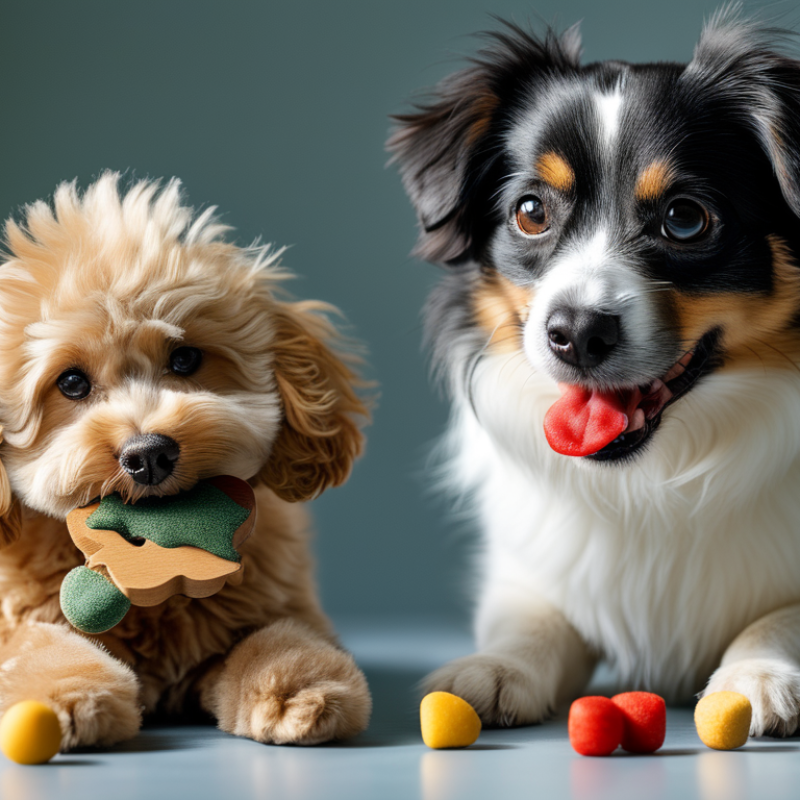
Understanding your dog's chewing habits is crucial when selecting the right chew toys. Dogs, like people, have unique preferences. Research indicates that 70% of dog owners believe their pets have specific toy preferences. Observing your dog's chewing style can offer insights. Some dogs prefer soft materials, while others enjoy tougher, more durable options. Knowing your dog's preference helps you choose wisely.
Consider the size of the toy in relation to your dog. A smaller toy may be swallowed or pose a choking hazard. Conversely, a large toy might discourage interaction. A survey by the American Pet Products Association found that 60% of dogs prefer toys that are the right size. Be aware that aggressive chewers often destroy softer toys quickly. Monitoring wear and tear on toys is important for safety. If a toy starts to break apart, it's time to replace it.
Dog breeds also play a role in chewing behavior. Some breeds are natural chewers, while others may chew less frequently. For instance, Labrador Retrievers often enjoy chewing longer than breeds like Shih Tzus. A study by the Veterinary Behavior Module suggests that boredom can lead to destructive chewing. Providing an appropriate toy can redirect this behavior and keep your dog happily engaged.
Choosing the right chew toys for dogs involves evaluating materials and durability. Dogs love to chew, but not all toys are equal. You’ll often find toys made from rubber, nylon, and fabric. Rubber toys are generally more durable and often have a bounce, making them entertaining.
Nylon toys can last longer, but they may splinter. This can pose a choking hazard. Some fabric toys may be plush and soft, appealing for comfort. Yet, they tend to wear out quickly. It’s crucial to consider your dog’s chewing habits. A heavy chewer will need tougher materials.
You might want to observe how your dog interacts with various toys. Some dogs enjoy tearing toys apart, while others prefer to gnaw. This behavior can help determine the best material for them. Don’t forget to replace damaged toys promptly to avoid safety risks. Selecting the right chew toy can be an ongoing journey. Buying one that lasts and engages your dog is not always straightforward.
When choosing chew toys for dogs, safety should be a priority. Look for toys made from non-toxic materials. Ensure they are sturdy to withstand intense chewing. Soft toys can pose a choking hazard if the fabric breaks. Check for small parts that dogs could swallow. It’s essential to avoid toys with sharp edges or hard components that can harm your pet's teeth.
Another important feature is size. The toy should be appropriate for your dog’s breed and size. A small toy can easily be swallowed by a larger dog. Conversely, a giant toy may be too hard for a small dog to manage. Opt for chew toys that encourage engagement without frustration. Engaging toys help prevent boredom, which can lead to destructive behavior. Regularly inspect toys for signs of wear. Replace any damaged toys to ensure your dog stays safe while chewing.
When choosing chew toys for your dog, considering size and shape is crucial. A toy should match your dog's size to prevent choking hazards. According to the American Kennel Club, using the right-sized toy can enhance playtime and reduce destructive chewing behaviors. For example, smaller breeds may benefit from toys that are easily grasped, while larger dogs need durable toys that stand up to their powerful jaws.
Choose toys that are shaped in a way that encourages chewing. Round toys can be appealing but may roll away quickly, leading to frustration. Companies in the pet industry report that toys with varied textures keep dogs engaged longer. A report from the Association for Pet Obesity Prevention highlights that mental stimulation is as important as physical exercise, which can be fostered through interactive chew toys.
Consider observing your dog's chewing habits. Some dogs prefer soft textures, while others require tougher materials. Not all dogs enjoy the same shapes. A toy's design can influence how vigorously a dog plays. Don't hesitate to switch toys if they aren’t appealing. Frequent rotation keeps the novelty alive and can help in your dog's overall mental health. Always prioritize safety by checking toys for wear and tear regularly.
Introducing new chew toys to your dog can be an exciting yet challenging experience. Dogs have varying preferences, and understanding these can help ease the transition. Research shows that 85% of dog owners report their pets showing interest in toys that mimic their natural chewing instincts. Selecting the right material, texture, and size is crucial. Toys that are too hard may damage teeth, while those that are too soft might not stimulate your dog effectively.
When you introduce a new toy, the timing matters. Choose moments when your dog is active and engaged. It is helpful to supervise their play to monitor their reaction. If they seem hesitant, try incorporating the toy into a game. Use treats or positive reinforcement to make it appealing. A study by the American Kennel Club found that engaging dogs while introducing new toys increases the likelihood of acceptance.
Despite your best efforts, not every toy will be a hit. It’s common for dogs to initially ignore a new toy, leading to frustration. Reflection is important here; consider your dog’s past preferences. If a toy goes unused, reevaluate its appeal. You can also rotate their toys to maintain interest. Ultimately, understanding your dog’s behavior can lead to happier playtime and healthier chewing habits.
| Tip | Description | Material | Durability |
|---|---|---|---|
| Size Matters | Choose a chew toy that is appropriate for your dog's size to prevent choking. | Rubber, Nylon | High |
| Safety First | Ensure the toy is made of non-toxic materials and has no small parts that can be swallowed. | Plastic, Natural Rubber | Medium |
| Interactive Toys | Choose toys that stimulate your dog's mind and encourage interaction. | Fabric, Wood | Medium to Low |
| Consider Chewing Habits | Select a chew toy based on whether your dog is a gentle or aggressive chewer. | Heavy-Duty Rubber, Durable Nylon | Very High |
| Variety is Key | Offer a range of chew toys to prevent boredom and promote healthy chewing behavior. | Mixed Materials | Varies |
| Tip | Description |
|---|---|
| Introduce Gradually | Let your dog explore the new toy at their own pace to prevent overwhelming them. |
| Use Treats | Encourage your dog to engage with the toy by rewarding them with treats. |
| Supervise Playtime | Keep an eye on your dog while they play with new toys to ensure safety. |
| Rotate Toys | Switch out toys regularly to keep your dog interested and engaged. |
: Understanding chewing habits helps select suitable chew toys that match your dog's preferences.
Choose a toy that matches your dog's size to prevent choking hazards and encourage interaction.
Different breeds have unique chewing tendencies. Some naturally chew more than others, like Labrador Retrievers.
Regularly check for wear and replace any toy that starts breaking apart for safety.
Introduce the toy during active moments and use treats to encourage engagement and acceptance.
Reflect on their past preferences and consider rotating toys to maintain interest and excitement.
Yes, dog preferences vary; some may enjoy soft textures while others prefer tougher materials.
Supervision helps monitor your dog's reaction and ensures safety during playtime with new toys.
Rotate toys frequently and introduce varied textures or shapes to maintain novelty and engagement.
Hard toys may damage teeth, while soft ones might not provide enough stimulation for your dog.
Choosing the right chew toys for dogs involves understanding your dog's unique chewing habits and preferences. It's essential to recognize the types of chew toys available, focusing on materials and durability to ensure they withstand your dog's chewing strength. Additionally, safety features such as non-toxic materials and absence of small parts should be prioritized to prevent any accidents.
Another critical factor is the size and shape of the toy, which should be appropriate for your dog's breed and size to facilitate comfortable play. Lastly, when introducing new chew toys to your dog, do so gradually to help them adjust and enjoy their new items without stress. By following these guidelines on how to choose the right chew toys for dogs, you can enhance your pet's chewing experience while ensuring their safety and enjoyment.

Pitbull Toy