How to Choose Dog Chew Toys and What Are Their Benefits

Time:2026-06-25 Author:Sienna
0%

Choosing the right dog chew toys is essential for keeping our furry friends happy and healthy. Many owners wonder, what are the benefits of dog chew toys? Chewing helps in alleviating boredom and reduces anxiety. Dogs often use their mouths to explore the world, and having appropriate toys can satisfy their natural instincts.

Quality chew toys also promote dental health. They can help remove plaque and tartar, ensuring cleaner teeth. However, it is crucial to choose safe materials. Some toys may break apart, posing a choking hazard. Monitoring your dog is vital during playtime to avoid accidents and injuries.

Dogs are unique. What works for one may not work for another. It’s okay to experiment with different textures and shapes. This trial-and-error approach can lead to finding the perfect toy. Remember, providing proper chew toys contributes to your dog's overall well-being. Understanding their needs is key.
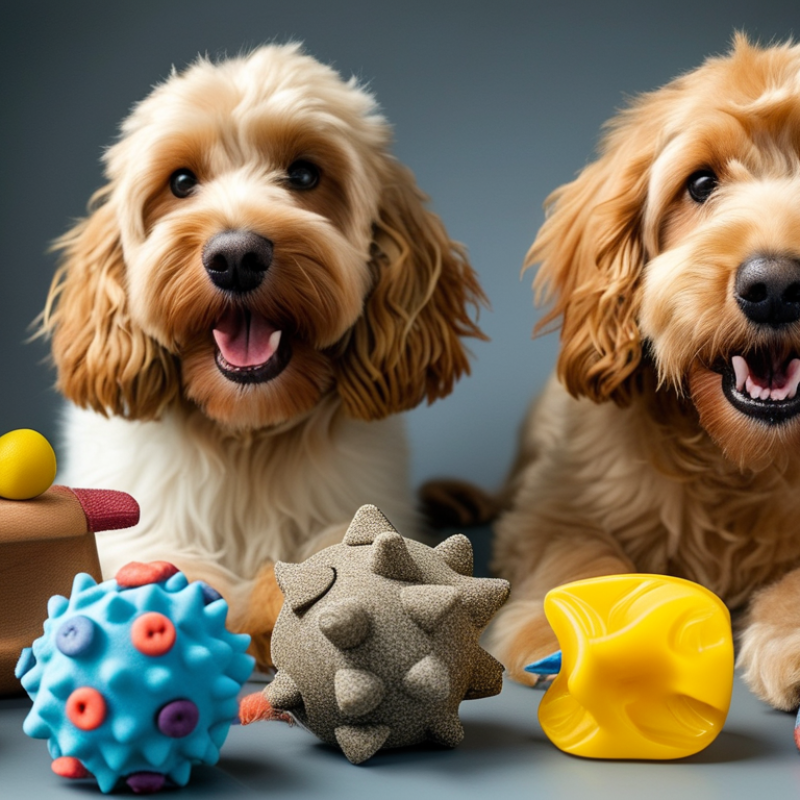
How to Choose Dog Chew Toys and What Are Their Benefits

Understanding Different Types of Dog Chew Toys and Their Materials

Choosing the right chew toy for your dog can be challenging. Understanding the different types and materials available is crucial. Dogs have different chewing habits. Some prefer soft toys, while others need something tougher. According to the American Kennel Club, 70% of dog owners report their pets are more likely to chew on appropriate toys rather than furniture or shoes.

Rubber toys are popular for their durability. They can withstand aggressive chewers. This material is also safe, as it doesn't splinter easily. Another option is nylon. It's long-lasting and helps clean teeth. However, some dogs may not enjoy the texture. This can lead to frustration and a lack of interest in play.

Natural materials like cotton or hemp provide a softer alternative. They are eco-friendly but may not last as long. Some dog owners have noted that these toys require regular replacements. It's important to observe how your dog interacts with each type. Not all materials suit every dog. Finding the right balance between durability and appeal is essential for promoting healthy chewing habits.

Identifying Your Dog's Chewing Habits for Optimal Toy Selection

Understanding your dog’s chewing habits is key to selecting the right chew toys. A study by the American Kennel Club found that 34% of dogs are aggressive chewers, often leading to damaged furniture and shoes. Identifying whether your dog is a gentle nibbler or an intense chewer can guide you in making appropriate choices. For instance, softer toys can be beneficial for those who chew gently, while tougher materials are better suited for heavy chewers.

Observing when and how your dog chews can provide insight into their needs. If your dog chews when anxious, toys that stimulate mental engagement may be helpful. Research indicates that interactive toys can reduce anxiety in dogs by 27%. Similarly, knowing if your dog enjoys fetching can dictate whether you choose a toy that can be thrown. Reflecting on your dog’s chewing habits and preferences will promote better health and happiness. The right toy can prevent boredom and promote dental health, making your dog happier overall.

Benefits of Chew Toys for Dental Health and Behavioral Training

Chew toys play a crucial role in a dog’s dental health. When dogs gnaw on these toys, they help remove plaque and tartar buildup. This action promotes healthier gums. Regular chewing can lead to fewer visits to the vet. A good chew toy can lead to strong teeth and fresh breath.

Behaviorally, chew toys serve as an outlet for energy. Dogs often chew when bored or anxious. Providing a suitable toy can reduce destructive behaviors. Dogs need to engage their instincts. Chew toys offer a safe way for them to do this. When they concentrate on chewing, they become less likely to chew furniture or shoes.

Choosing the right material is essential. Not all toys are created equally. Some may not withstand a heavy chewer. Supervision is also vital as some toys can wear down quickly. Regularly inspect toys for damage. A damaged toy could become a hazard. It’s important to find quality options that fit your dog’s chewing habits.

Benefits of Dog Chew Toys for Dental Health and Behavioral Training

Recommended Sizes and Durability Ratings for Various Dog Breeds

Choosing the right chew toy for your dog is essential, especially when considering their size and breed. Different breeds possess varying jaw strengths and chewing habits. For instance, small breeds like Chihuahuas often prefer softer, smaller toys. In contrast, larger breeds, such as German Shepherds, require more durable options. The Association of American Feeding Control Officials (AAFCO) recommends that toys for heavier chewers have a durability rating of at least "heavy-duty" or "extreme."

As a general guideline, toys should match your dog’s weight and chewing style. A study by the World Organization for Animal Health indicated that toys should not be more than 10% of your dog’s body weight. For example, a 30-pound dog may comfortably handle chew toys that are around 3 pounds in weight. It’s vital to supervise playtime, as toys can fray or break, posing choking hazards.

Moreover, engaging with various textures can enhance your dog's chewing experience. Soft rubber toys can soothe teething puppies, while harder materials suit adult dogs. However, not all dogs respond positively to all textures. Some dogs may show disinterest or even develop chewing insecurities. Observing your dog's preferences is key. Choose a variety of options initially. This approach lets you refine which toys yield the most enjoyment for your furry friend.

Safety Considerations When Choosing Chew Toys for Your Dog

When selecting chew toys for your dog, safety should be a top priority. One crucial aspect is choosing toys made from non-toxic materials. Many synthetic materials contain harmful chemicals. These can pose significant health risks. Always check for safety certifications. This ensures the toy meets industry safety standards.

Another consideration is the size of the chew toy. It should match your dog's breed and chewing habits. A toy that is too small can be a choking hazard. Larger toys can be unwieldy, discouraging your dog from chewing. Observe how your dog interacts with various sizes to find the perfect fit.

Tips for choosing chew toys include inspecting them regularly for wear. A toy that shows signs of damage may pose risks. Replace toys that have broken pieces or sharp edges. Additionally, consider your dog's chewing style. Some dogs are aggressive chewers, while others are gentle. Tailor your selection to match your dog’s needs.

Encourage your dog to engage with safe toys. This not only keeps them happy but also aids in dental health. Chewing helps reduce plaque and tartar buildup. Always supervise your dog during playtime to ensure they are safe while having fun.

FAQS

: How can I choose the right chew toy for my dog?

: Consider your dog’s chewing habits. Observe if they chew gently or aggressively. This will guide your choice.

What materials are durable for chew toys?

Rubber and nylon are known for their durability. Rubber toys resist splintering, making them safe options for heavy chewers.

Are natural materials worth considering for chew toys?

Yes, cotton or hemp are eco-friendly. However, they have a shorter lifespan and might need to be replaced often.

Why should I think about my dog's chewing habits?

Understanding these habits helps in selecting toys. It affects their enjoyment and can prevent destructive behavior.

Can chew toys affect my dog's dental health?

Absolutely. Chewing can reduce plaque and tartar buildup, leading to healthier gums and teeth for your dog.

What benefits do chew toys provide beyond dental health?

They also help with behavioral issues. Toys can channel excess energy and reduce boredom, promoting a calmer dog.

How often should I replace my dog's chew toys?

Regular inspection is important. Replace toys when they show signs of wear to prevent hazards and ensure safety.

What should I do if my dog is uninterested in toys?

Reflect on the material and type. Dogs may avoid toys that don’t suit their preferences. Experimenting can yield better choices.

Do interactive toys really help with anxiety?

Yes, they can be effective. Research shows that stimulating toys may reduce anxiety in dogs by promoting engagement.

Why is supervision important when dogs are chewing toys?

Some toys can wear out quickly. Regular supervision helps prevent accidents from damaged toys and keeps your dog safe.

Conclusion

Choosing the right dog chew toys is essential for promoting your dog's health and well-being. Understanding different types of chew toys, including their materials, can help you select the best options for your furry friend. It's important to consider your dog's chewing habits, as this will guide you in choosing the most suitable toys that can withstand their chewing style.

Additionally, dog chew toys offer numerous benefits, such as improving dental health by reducing plaque buildup and enhancing behavioral training by satisfying your dog's natural urge to chew. Ensuring that the toys are the appropriate size and durability for your dog's breed is crucial to prevent potential safety hazards. By considering these factors, you can confidently answer the question: what are the benefits of dog chew toys?

Sienna

Sienna

Sienna is a skilled marketing professional with a deep expertise in our company’s core products and services. With a passion for innovation and detail, she plays a pivotal role in crafting insightful blog posts that not only highlight the unique features of our offerings but also provide valuable......