10 Best Tips to Stop Dogs from Destroying Toys?

Time:2026-07-11 Author:Ethan
0%

Many dog owners face a common issue: how to stop dogs from destroying toys. This behavior can be frustrating. Understanding why your dog exhibits destructive tendencies is essential. Dogs may chew on toys due to boredom, anxiety, or simply because they enjoy it.

To address this, it’s crucial to provide the right type of toys. High-quality, durable toys can withstand aggressive chewing. Engage your dog with interactive toys or puzzles to keep their mind stimulated. Walking your dog regularly can also help burn off excess energy.

Reflecting on your dog’s behavior is vital. If they continuously destroy toys, consider their needs. Is your dog getting enough exercise? Are you giving them enough attention? Addressing these questions can lead to a happier, healthier pet.
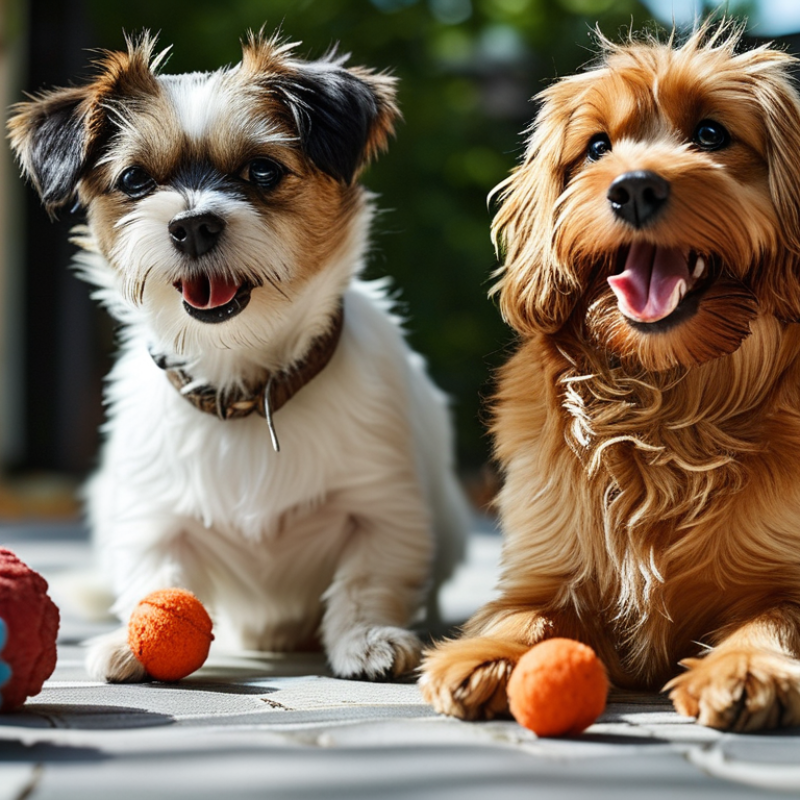
10 Best Tips to Stop Dogs from Destroying Toys?

Understanding Why Dogs Destroy Toys

Understanding why dogs destroy toys is essential for pet owners aiming to protect their furry friends' belongings. Many dogs have strong chewing instincts. A study from the American Veterinary Medical Association indicates that 70% of dogs exhibit destructive behavior due to boredom or anxiety. Similarly, puppies, driven by teething discomfort, often chew vigorously on anything available. Recognizing these motivations can guide owners to implement effective strategies for toy preservation.

To reduce toy destruction, consider rotating toys regularly. This practice keeps your dog engaged. Dogs can easily grow bored of the same toys. Try incorporating interactive toys that require problem-solving, which stimulates their minds. Providing mental exercise can decrease their desire to destroy. Additionally, ensure that the toys are durable and designed for aggressive chewers.

Lastly, setting boundaries is crucial. Teaching commands such as “leave it” can help control unwanted behaviors. Engaging in regular exercise also reduces restlessness. According to the Association of Professional Dog Trainers, a tired dog is less likely to destroy toys out of boredom. By focusing on your dog’s needs, you can foster a healthier environment for your pet and prolong the life of their toys.

10 Best Tips to Stop Dogs from Destroying Toys

Choosing the Right Toys for Your Dog

Choosing the right toys for your dog is crucial in preventing destruction. Many dogs have a natural instinct to chew, which can lead to torn toys. Selecting durable options can drastically reduce this behavior. Heavy-duty rubber toys or nylon chews offer both stimulation and toughness. Look for toys labeled as “indestructible.” These are designed for aggressive chewers.

Providing variety also keeps your dog engaged. Rotate toys regularly to maintain interest. A dog might grow bored with the same toy, prompting them to seek out items to destroy. Incorporating interactive toys that dispense treats can enhance playtime. These toys stimulate their mind while helping to prevent boredom.

Monitor your dog’s interactions with toys. If they repeatedly destroy a specific kind, that may not be a good fit. Tune into your dog’s play style. Some may prefer softer toys, while others might lean toward rugged options. Understanding your dog’s preferences can lead to better choices and prevent future destruction. This not only enhances their enjoyment but also saves you money and frustration.

Establishing Playtime Rules and Boundaries

Establishing playtime rules and boundaries for your dog is crucial. Dogs thrive on routine, and clear guidelines help them understand what is expected. Start by designating specific play areas. This containment can minimize destructive behavior. For instance, a cozy corner with soft mats can replace your living room, reducing the potential for chaos.

Use consistent commands during playtime. Phrases like “gentle” and “stop” can be effective. Reinforce positive behavior by rewarding your dog for following these commands. If they chew on their toys properly, praise them. Remember to be patient; some dogs may need more time to adjust.

Also, determine how long play sessions should last. Overly excited dogs may become aggressive with their toys, leading to damage. Shorter, more frequent sessions can keep your dog focused. It’s okay if they don’t seem to grasp the rules immediately. Reflect on your approach and adjust as needed. Dogs may not always respond perfectly, and that’s part of the journey.

10 Best Tips to Stop Dogs from Destroying Toys

Tip Description
Establish Playtime Rules Set clear boundaries on how and when toys can be used to prevent destructive behavior.
Choose Durable Toys Invest in high-quality, durable toys that can withstand rough play.
Interactive Play Engage your dog in interactive play sessions to decrease idle time and boredom.
Monitor Playtime Supervise playtime to intervene before destructive behavior occurs.
Rotate Toys Keep your dog’s interest alive by rotating a selection of toys and keeping some out of reach for a while.
Teach Commands Incorporate commands like "leave it" to train your dog to avoid destructive behavior.
Reward Good Behavior Positive reinforcement for not chewing toys or playing gently can encourage good habits.
Safe Space for Play Create a designated area for your dog to play with toys safely, away from valuable items.
Redirect Attention If your dog starts to destroy toys, redirect their attention to a more appropriate activity.

Implementing Engaging Activities to Redirect Energy

Engaging activities can effectively redirect your dog's energy, preventing them from destroying toys. Physical exercise is essential. Daily walks, playtime in the yard, or interactive games like fetch can help. These activities work not only to tire them out but also to keep their minds stimulated. A tired dog is less likely to chew up a favorite toy.

Consider incorporating puzzle toys into your routine. These toys challenge your dog mentally and can keep them entertained for hours. Training sessions can also serve as both mental and physical outlets. Incorporate commands, tricks, or agility exercises to maintain their focus. However, remember that not all dogs learn at the same pace. Some might struggle, leading to frustration for both you and them.

Socialization plays a significant role too. A playdate with other dogs can be a fun way to channel energy. However, be cautious about introducing your dog to new pets. Not all encounters go smoothly, and it’s essential to observe their behavior closely. Some dogs may show aggressive tendencies when overwhelmed. Always reflect on what works best for your dog's unique personality.

Regularly Inspecting and Maintaining Dog Toys

Regularly inspecting and maintaining dog toys is crucial for pet owners. Over time, toys can wear down, leading to potential hazards. Scratches, tears, or loose parts may pose choking risks. Checking the condition of toys weekly can prevent accidents.

Consider rotating toys to keep your dog engaged. This approach can also help minimize wear on individual items. When you notice a toy starting to degrade, it might be time to retire it. However, not every damaged toy needs to be discarded. Sometimes, a little repair can extend its life. If you have the skills, sewing a seam or patching a hole can bring a favorite toy back to life.

Finding the right material is equally important. Some dogs are hard chewers, and their toys should withstand that. Choose durable options that can handle rough play. If you’re unsure about a toy's safety, doing some research or consulting a veterinarian can offer peace of mind. Keeping a notebook on toy conditions might also be helpful. This small effort can improve your dog’s experience and safety.

FAQS

: Why do dogs destroy their toys?

: Dogs often destroy toys due to boredom, anxiety, or strong chewing instincts.

How can I keep my dog engaged with their toys?

Rotate toys regularly and provide interactive ones that stimulate their minds.

What should I consider when choosing dog toys?

Select durable toys designed for aggressive chewers to withstand heavy use.

What commands can help reduce destructive behavior?

Teaching commands like “leave it” can help control unwanted chewing.

How does regular exercise affect my dog's behavior?

A tired dog is less likely to destroy toys out of boredom.

How can I create effective playtime rules?

Set specific play areas and use consistent commands during playtime for clarity.

What should I do if my dog doesn't understand the rules?

Be patient and adjust your approach. Dogs need time to learn and adapt.

How long should play sessions last?

Shorter, frequent sessions are better to maintain focus and prevent aggression.

Can my dog's behavior reflect my training methods?

Yes, reflecting on your training approach can help improve behavior and understanding.

Is it common for dogs to misbehave during play?

Yes, it’s normal for dogs to misbehave occasionally. It's part of the training journey.

Conclusion

When looking for how to stop dogs from destroying toys, it is essential to understand the underlying reasons for this behavior. Dogs may chew and destroy their toys due to boredom, anxiety, or the natural instinct to chew. Selecting the right toys that cater to your dog's chewing style and preferences can significantly reduce the likelihood of destruction.

Establishing clear playtime rules and boundaries helps teach your dog appropriate behavior while playing with toys. Additionally, providing engaging activities can redirect their energy, keeping them occupied and less likely to destroy toys. Regularly inspecting and maintaining toys will also ensure they are safe and suitable, further preventing any destructive behaviors. By addressing these factors, you can create a more harmonious playtime experience for both you and your dog.

Ethan

Ethan

Ethan is a seasoned marketing professional with a deep expertise in our company's innovative product line. With a passion for sharing knowledge and insights, he takes the lead in regularly updating our corporate blog, where he explores industry trends, product features, and effective marketing......