Pet ownership is expanding, but importing pet toys is not simply a volume game. The American Pet Products Association reported that United States pet industry spending reached $152 billion in 2024. Grand View Research also identifies continuing growth in the global pet toys market. Demand is rising. So are expectations.
The real question is what should distributors know before importing pet toys? They need evidence, not attractive catalog images. A squeaker should remain secure after repeated biting. A rubber ball should fit the intended breed size. Plush seams need inspection, especially around eyes, noses, and stuffing. Materials, dyes, adhesives, packaging, and supplier records all deserve careful review. Small details become expensive problems.
Lindsey A. Wolko, founder of the Center for Pet Safety, has repeatedly stressed a simple principle: “If you can’t trust the product, don’t use it.” That warning applies to distributors too. Product safety testing, traceability, clear age and size guidance, and documented factory controls should shape purchasing decisions. Standards and testing requirements can differ between markets, so professional verification remains essential. Never rely on one laboratory report forever.
This guide presents seven practical tips for importers, covering supplier screening, material documentation, durability testing, packaging, labeling, quality inspections, and recall readiness. Some decisions may still need reconsideration. A low unit price can hide weak stitching, inconsistent materials, or costly returns. Better importing begins with slower questions, sharper records, and a willingness to reject products that look acceptable but perform poorly.
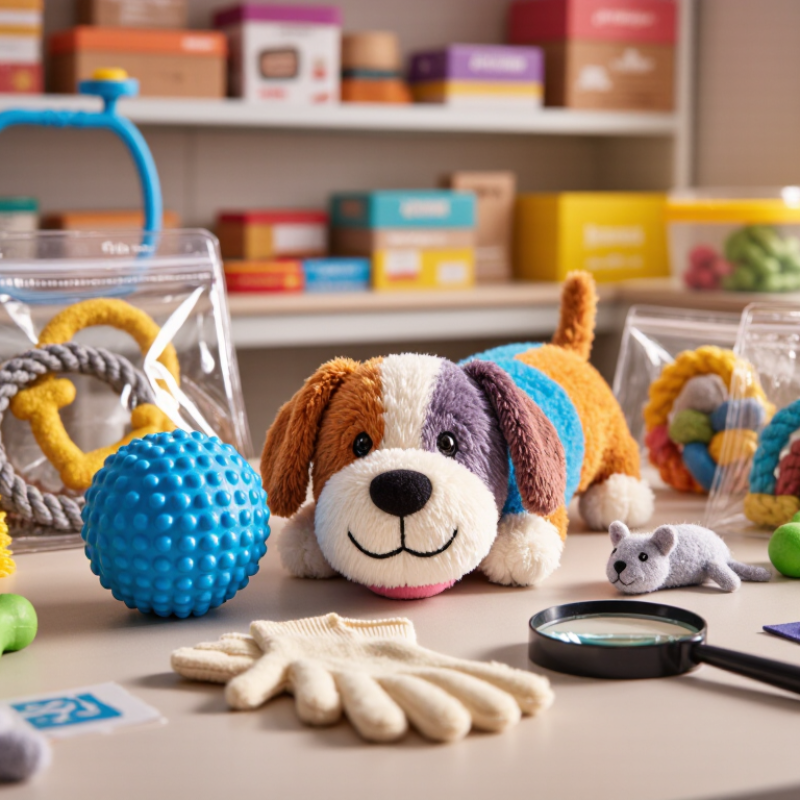
Importing pet toys starts with a clear picture of the buyer, not a crowded catalog. Study local pet ownership, household size, spending habits, and common animal types. Dog owners in city apartments may prefer quiet chew toys and compact puzzle products. Families with larger dogs may seek stronger materials and larger formats. These details affect pricing, packaging, storage, and repeat orders.
Tip: Interview ten retailers before selecting products. Ask which toys sell in winter, which colors remain untouched, and what customers complain about. Review marketplace comments, return reasons, and shelf photographs. Numbers help, but direct conversations reveal frustration. I once treated “cute” packaging as a sales advantage. Buyers cared more about easy cleaning. That assumption needed correction.
Test a small sample with different customer groups. Observe whether cats ignore noisy toys or puppies damage seams within minutes. Record toy size, material feel, odor, sound, and cleaning effort. Ask owners what they would pay, then compare answers with actual purchases. Opinions can be polite and misleading. Check age guidance, warning labels, and material documentation before ordering. Preferences change quickly, so review the data every quarter. A narrow market may be more profitable than chasing every pet owner.
Request material declarations, product specifications, batch numbers, and recent laboratory reports. Keep production records and inspection photographs. Paperwork alone is not enough.
Test for heavy metals, restricted chemicals, flammability, tensile strength, and detachable small parts. Also check odors, sharp seams, loose fillings, and weak stitching. Small failures matter.
No. Requirements may differ between children’s products and pet products. Check the destination country’s consumer rules, labels, packaging language, and chemical limits.
Pull seams, bend handles, inspect squeakers, and test attached parts. Look for sharp edges and pieces that may detach. A nice sample can still fail.
Compare approved samples with final production batches. Request written quality procedures, realistic production times, and consistent samples. Promises are not evidence.
Use them for significant orders or unfamiliar suppliers. Inspect workmanship, packaging, labels, quantities, and defect handling before shipment. Ask about corrective action.
Drag toys across rough floors, wash fabric items, and repeat suitable chewing simulations. Check performance after heat, moisture, and repeated use. One perfect sample can mislead.
Confirm carton dimensions, gross weight, pallet limits, quantities, and transit times. Prepare accurate descriptions, material details, values, classifications, invoices, and origin records. Do not guess.
Keep cartons on clean, dry shelving away from heat and direct sunlight. Use batch-linked barcodes and dispatch older inventory first. Inspect damaged packaging and loose parts before delivery.
Keep a retained sample, carton photographs, label images, warning text, and complaint records. Maintain a recall contact and review packaging changes independently. The process may feel slow.
Before placing an order, distributors should clearly understand what should distributors know before importing pet toys: the target market, preferred product types, price ranges, pet sizes, and customer expectations. Researching these factors helps distributors select suitable toys and avoid products with limited demand. They should also confirm that each product meets relevant safety, labeling, testing, and import requirements in the destination market. Careful checks of materials, construction, durability, and design can reduce risks and improve customer satisfaction.
Distributors should assess supplier communication, production consistency, quality control, and ability to meet delivery schedules. A complete cost calculation should include product prices, packaging, transportation, customs-related charges, warehousing, insurance, and distribution expenses. Finally, they should create a practical plan for shipping, customs clearance, inventory storage, and sales distribution. By combining market research, compliance checks, supplier evaluation, and accurate financial planning, distributors can make better purchasing decisions, protect profit margins, and build a dependable pet toy supply process.

 Pitbull Toy