For global buyers, pet toys are no longer judged by bright colors alone. They must fit different pets, household routines, price points, and retail channels. So, what are the latest trends in pet toys? This guide explores seven notable directions, from treat-dispensing puzzles and sensory play to connected toys, travel-friendly designs, and products made with recycled or renewable materials. The appeal is easy to picture: a dog nudging a puzzle across a kitchen floor, or a cat batting a feather toy beside a sofa.
Practical details matter as much as novelty. Buyers can compare material descriptions, stitching, small-part construction, cleaning instructions, and age or size guidance before placing an order. A toy that looks sturdy in a photograph may feel less convincing after repeated chewing. Not every “eco-friendly” label provides the same level of detail, either. Ask for clear specifications, relevant test information, and consistent product samples where available. Small checks help.
The trends below offer a useful starting point, not a guarantee of demand in every market. Pet preferences differ, and regional shopping habits can change quickly. Some products may also need closer supervision, especially around small parts or electronic components. A cautious buying plan leaves room for customer feedback and product revisions. That is not a weakness. It is part of making better sourcing decisions. The seven trends are considered through both their selling potential and the everyday experience they offer pets and owners.
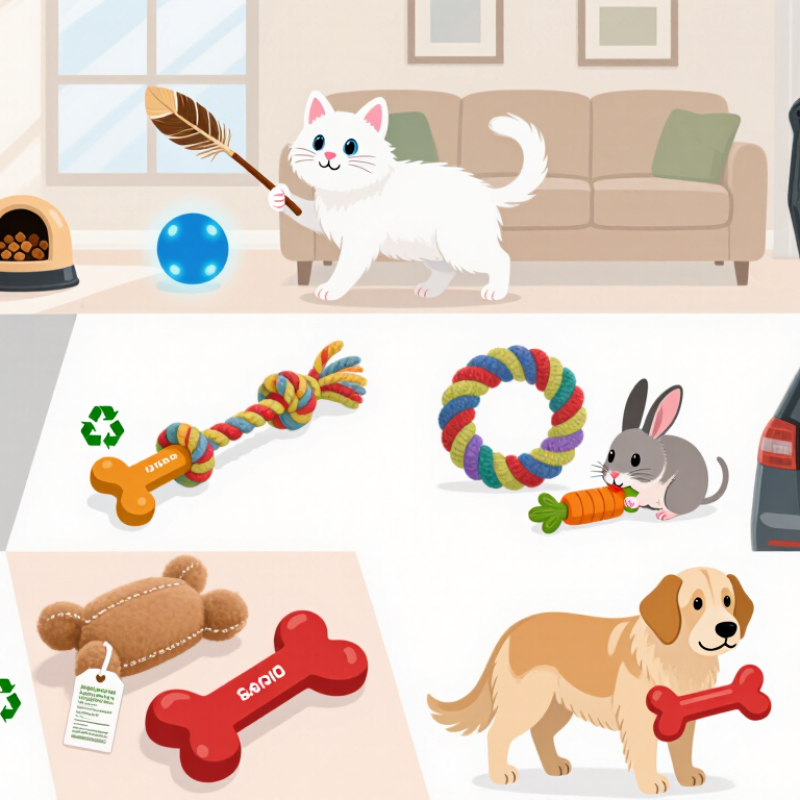
Global buyers define pet toy trends through repeat orders, safety checks, and customer feedback. One leading trend is enrichment toys, such as treat puzzles and slow-feeding designs. They support mental activity during indoor hours. Interactive toys form a second trend, using motion, sound, or timed play. Buyers still question battery life and repairability. Smart features are not always practical.
Sustainable materials represent a third trend. Buyers increasingly request recycled fabrics, natural rubber, and reduced packaging. However, “eco-friendly” claims need supplier documents and material testing. A fourth trend is multifunctional design. A toy may combine chewing, fetching, and training in one compact product. This saves storage space and can reduce shipping volume.
Sensory toys create a fifth trend, using varied textures, gentle sounds, or visible movement. A sixth trend focuses on age, size, and breed needs, because one shape cannot suit every animal. The seventh trend is personalized design, including colors, sizes, and activity levels for different markets. Experienced buyers inspect seams, edges, odor, and small detachable parts before ordering. They also check cleaning instructions and local product requirements. Some choices remain uncertain, especially when durability conflicts with softness. Feedback from shelters, trainers, and pet owners often exposes weaknesses that laboratory checks miss.
Smart and interactive pet toys are changing how global buyers evaluate play products. The strongest trend is responsive motion. Toys that roll, pause, or change direction can hold a pet’s attention longer. Treat-dispensing puzzles add problem-solving and controlled feeding. They also reveal an important design issue: difficulty must match the animal’s age and ability.
Another growing option is app-connected play. Owners can schedule short activities while away from home. Motion sensors may record activity patterns, while sound features encourage cautious pets to explore. Automatic laser toys remain popular, but they should include safe movement limits and supervised use. Chew-resistant electronic toys are also gaining interest. Their value depends on tested materials, secure battery compartments, and parts that cannot detach easily.
Global buyers are watching customizable toys closely. Adjustable speed, sound, and puzzle levels support different breeds and temperaments. Washable fabric covers are practical in homes with heavy drool or outdoor use. Some toys now use recycled materials, though sustainability claims need reliable documentation. Buyers should request safety testing, electrical compliance records, and clear cleaning instructions. Data privacy also matters for connected devices with cameras or microphones. Convenient does not always mean better. A quiet, simple toy may suit one pet more than a feature-packed device. Real-world testing should include noise, charging time, durability, and the pet’s response after several days.
Global buyers are moving toward toys that do more than entertain. FEDIAF’s 2024 report estimates that 139 million European households own pets. This large market increasingly values daily enrichment and practical welfare support.
Seven trends stand out: puzzle feeders, rolling treat dispensers, snuffle mats, lick mats, forage boxes, motion toys, and modular chew-safe designs. These products imitate searching, sniffing, licking, chasing, and problem-solving. A dog may nudge a dispenser across the kitchen floor, while a cat tracks a moving toy beneath a fabric tunnel. The activity feels purposeful.
APPA’s 2023–2024 National Pet Owners Survey reports that 66% of U.S. households own a pet. For buyers, this supports demand for toys suited to indoor routines and different energy levels. Treat-dispensing toys can slow eating and encourage controlled movement, but portion size still matters. Veterinary behavior guidance also supports enrichment that matches the animal’s species, age, and physical ability.
Safety remains central. Choose durable materials, smooth edges, washable surfaces, and openings that prevent trapped jaws or paws. Supervision is essential during first use. Some electronic toys appear impressive but may create stress or confusion. That needs more honest testing. A quiet snuffle mat may support natural behavior better than a noisy gadget. Products should offer adjustable difficulty, clear care instructions, and realistic claims rather than promising to solve boredom completely.
What Are the 7 Best Pet Toy Trends for Global Buyers?
Why Sustainable, Durable, and Safe Materials Matter
Global buyers are watching seven practical trends: recycled fabrics, natural rubber, durable construction, washable surfaces, modular enrichment, quiet indoor play, and traceable safety testing. The U.S. pet industry reached $147 billion in 2023, according to the American Pet Products Association. That spending power increases expectations for dependable products. Buyers want toys that survive repeated chewing, machine washing, and active play. A toy should not become a pile of loose threads after one afternoon.
Sustainability now influences purchasing decisions. IBM’s Institute for Business Value reported that nearly eight in ten consumers consider sustainability important. Its study also found that 49% would pay more for sustainable products. Recycled polyester, responsibly sourced natural rubber, and reduced packaging can support this demand. Yet “natural” does not automatically mean safer. Materials still need consistency, clear specifications, and suitable testing. That point is easy to overlook.
Practical sample checks should examine seams, odor, flexibility, and detachable parts. Independent testing can screen for heavy metals, harmful chemicals, and dangerous breakage risks. Washable designs also matter because dirt can collect inside fabric seams. Interactive feeders and modular toys encourage mental stimulation, while low-noise designs suit apartments and shared homes. Smart features may attract buyers, but batteries and electronic parts require extra care. More technology is not always better. The industry still needs stronger evidence about long-term durability, especially for recycled materials.
Global buyers now compare pet toys by animal needs, household habits, and market conditions. The strongest trends include interactive feeders, durable chew toys, puzzle toys, sensory plush toys, fetch toys, cooling toys, and simple training toys. Interactive feeders suit food-motivated dogs and indoor cats. Puzzle toys can reduce boredom, but difficulty must match the animal’s age and ability. Fit matters.
Dog buyers often prioritize toughness, larger sizes, and outdoor use. Cat buyers usually examine movement, texture, sound, and compact storage.
Small-pet owners may prefer lightweight tunnels, chew-safe items, and quiet designs. Markets also differ.
Urban households often value washable toys and low-noise play. Warmer regions may show stronger interest in cooling products. Buyers in smaller homes may reject bulky designs, even when pets enjoy them.
Price comparisons should include material quality, replacement parts, packaging, and shipping volume. A low-cost toy can become expensive if it breaks after one week. Safety checks should cover loose parts, sharp edges, strong odors, and age suitability. Local product standards and labeling rules also require careful review. That detail is easy to miss.
In my experience, suppliers sometimes describe “durable” without test evidence, so buyers should request material information and sample feedback. The comparison remains imperfect because preferences change quickly across breeds, climates, and family routines. Cleanability deserves more attention than many trend reports suggest.
They encourage sniffing, nudging, searching, and problem-solving during daily indoor routines. The activity feels purposeful.
Popular options include puzzle feeders, rolling dispensers, snuffle mats, lick mats, forage boxes, and motion toys. Variety matters.
Match the toy with the pet’s species, age, size, energy level, and physical ability. One design cannot suit every animal.
They may slow eating and encourage gentle movement. Portion size still matters, so the toy should not replace feeding judgment.
Look for smooth edges, durable materials, washable surfaces, secure seams, and openings that prevent trapped jaws or paws.
Yes. Watch the first sessions for chewing, stress, loose threads, or detachable pieces. Small risks can be missed.
No. Recycled fabric and natural rubber still need consistent specifications and suitable testing. “Natural” is not proof of safety.
Not always. A quiet snuffle mat may suit an apartment better than a noisy moving gadget. More technology can add confusion.
Examine seams, odor, flexibility, breakage, and washable construction. Independent testing can identify harmful chemicals and heavy metals.
No. They support enrichment, but realistic claims are important. Some long-term durability evidence remains incomplete.
Global buyers are increasingly asking, “what are the latest trends in pet toys?” The seven leading trends focus on smart and interactive designs, enrichment toys, treat-dispensing products, sustainable materials, durable construction, safety-focused features, and toys tailored to different pet types. Smart toys can encourage movement and engagement, while interactive puzzles and treat-based activities help support pets’ natural instincts to explore, chase, solve problems, and forage.
Buyers also compare how these trends perform across dogs, cats, and other companion animals, considering differences in size, age, play style, and chewing behavior. Across global markets, sustainable and long-lasting materials are becoming especially important because customers want products that reduce waste while remaining safe and reliable. Overall, the most successful pet toys combine meaningful enrichment, practical durability, responsible material choices, and adaptable designs that meet the changing expectations of pets and their owners.

Pitbull Toy