Boredom in dogs can look quiet: a long nap that never seems restful, pacing beside the door, or a toy abandoned after two minutes. Interactive toys offer a more engaging alternative. They invite dogs to sniff, nudge, lick, or solve a simple puzzle to reach a reward. But how do interactive toys reduce dog boredom? They add mental effort and purposeful activity to a dog’s day, especially when outdoor exercise or human playtime is limited. They are not magic. A toy cannot replace walks, social contact, or a suitable routine.
Dr. Zazie Todd, an animal behavior writer and author of Wag: The Science of Making Your Dog Happy, emphasizes enrichment and positive experiences in canine welfare. A practical takeaway from her work is: “Choose enrichment that lets dogs explore, make choices, and succeed at their own pace.” For a food puzzle, that might mean starting with a few treats under loose flaps, then increasing the challenge only when your dog stays relaxed. Watch closely. If your dog chews hard, barks in frustration, or walks away, simplify the task or try another design. Dogs differ, and a clever toy for one may be confusing for another. This guide to the 2026 best interactive dog toys compares options by play style, difficulty, durability, and supervision needs. The goal is not to keep a dog busy at any cost. It is to make ordinary moments more rewarding.
Understanding Canine Boredom and the Role of Interactive Toys
Canine boredom is not always obvious. A dog may chew a chair leg, pace near the door, or bark when the house grows quiet. These behaviors can also have other causes, including stress or unmet exercise needs, so one sign alone tells little. Watch for patterns. Does your dog settle after a sniffing walk, or keep searching for something to do? Small clues matter.
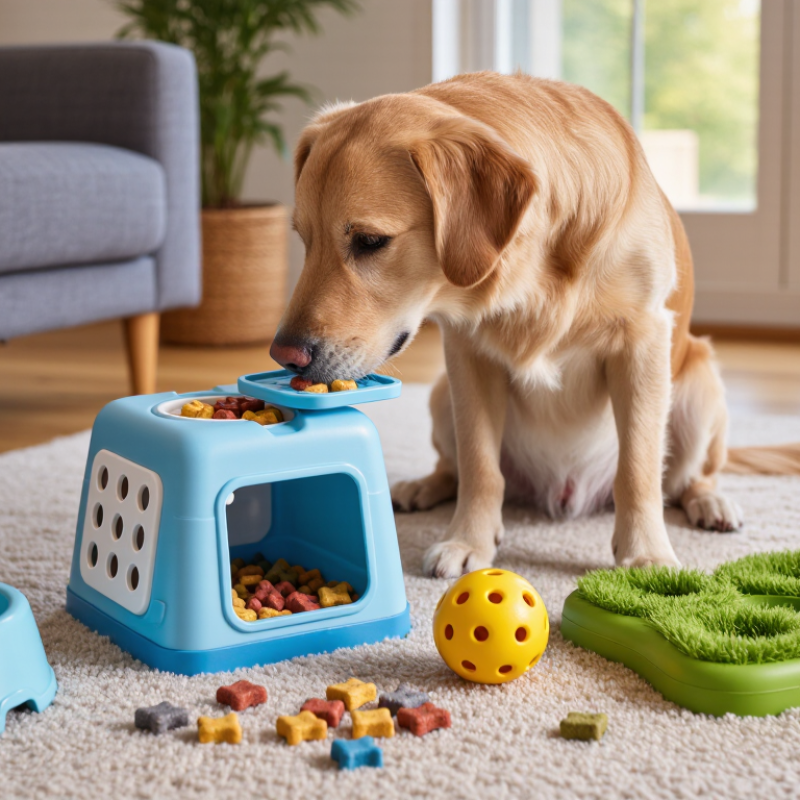
Interactive toys can add focused activity to a dog’s day. A food puzzle, for example, may turn a few pieces of kibble into a slow search across the living room. Start with an easy design. If the toy frustrates your dog, make the task simpler rather than assuming the dog will “figure it out.” Supervision matters, especially with new toys or dogs that chew forcefully. A toy can crack.
Rotate toys every few days to keep familiar objects interesting, and choose sizes and materials suited to your dog. Interactive play is useful, but it cannot replace walks, social contact, or rest. It is easy to expect one clever toy to solve boredom completely; that expectation deserves a second look. Notice how your dog responds, then adjust the activity to fit.
2026 Best Interactive Dog Toys to Reduce Dog Boredom? - Understanding Canine Boredom and the Role of Interactive Toys
A practical comparison of common toy types. Suitability varies by dog, and engagement descriptions are qualitative—not guaranteed results or standardized test scores.
| Toy type |
How the dog interacts |
Potential enrichment benefit |
Often suits |
Use and safety notes |
| Food-dispensing puzzle |
Nudges, paws, or manipulates parts to access small food portions. |
Encourages exploration and problem-solving while turning part of a meal into an activity. |
Dogs motivated by food; beginners can start with simpler designs. |
Choose a size and difficulty the dog can manage. Supervise at first and remove damaged pieces. |
| Snuffle mat |
Uses its nose to find food scattered among fabric strips or pockets. |
Provides a scent-search activity and slows access to scattered food. |
Dogs that enjoy sniffing and searching. |
Use on a stable surface and supervise dogs that chew or pull fabric. Wash according to care instructions. |
| Treat-dispensing ball |
Rolls or bats the toy to release pieces of food. |
Combines movement with a simple cause-and-effect challenge. |
Dogs that like to chase, push, or paw at moving objects. |
Use an appropriately sized, durable toy. Check for wear and avoid pieces small enough to swallow. |
| Interactive tug toy |
Plays tug with a person using a toy designed for shared play. |
Adds social interaction and active play; it is not an independent activity when a person is required. |
Dogs that enjoy playing with people and can take breaks on cue. |
Keep play controlled, use a suitable toy, and stop if play becomes rough or the toy is damaged. |
| Hide-and-seek toy set |
Finds smaller toys or treats hidden inside a larger toy or around a room. |
Encourages searching and can add variety to a familiar play routine. |
Dogs that enjoy sniffing, retrieving, or uncovering objects. |
Supervise dogs that may shred or swallow fabric or small parts. Put the set away after play. |
| Motion-activated toy |
Moves or responds to a dog's touch or nearby movement, depending on the design. |
Can prompt short bursts of chasing or investigation; reactions vary between dogs. |
Dogs comfortable with moving objects and household sounds. |
Introduce gradually and supervise. Stop use if the dog shows fear, frustration, or persistent over-arousal. |
Choosing a toy: Rotate a few safe options, adjust difficulty to the dog's experience, and include sniffing, play, rest, and social contact in the daily routine. Interactive toys can provide enrichment, but they do not replace exercise, training, or attention. Follow the toy's instructions and supervise whenever there is a risk of chewing or swallowing parts.
Types of Interactive Dog Toys and How They Work
Interactive dog toys make play depend on a dog’s choices, movement, or problem-solving. Food puzzles hide kibble beneath sliding lids or inside compartments. Dogs use their noses and paws to uncover each piece. Start with easy layouts, then add difficulty when your dog solves them quickly. A puzzle that is too hard may cause frustration, not enrichment.
Treat-dispensing balls release food as a dog nudges or rolls them across the floor. Snuffle mats work differently: scattered pieces sit among fabric folds, encouraging slow, focused sniffing. Some dogs enjoy this quiet search. Others pull at the fabric, so supervision matters. Motion-activated toys use sounds or movement to prompt short bursts of chasing. They can interest some dogs, but may overstimulate or confuse others. Watch your dog’s body language and pause play if excitement becomes frantic.
The right choice depends on chewing habits, confidence, and interest in food. A sturdy toy is not automatically a suitable one. Check for loose parts and damage, and count treats toward daily meals. Even then, a toy may lose its appeal after a few days; rotating options can help, though it is not a guaranteed fix.
How to Choose Toys for Your Dog’s Needs and Play Style
Interactive toys work best when they match how a dog already likes to play. A scent-driven dog may enjoy a treat puzzle with sliding panels, while a chaser may prefer a rolling toy that moves across the floor. For dogs who love to chew, choose sturdy, appropriately sized toys and check them often for cracks or loose pieces. Small parts can become hazards. Supervise new toys, especially if your dog tends to shred or swallow objects.
Watch your dog’s first few sessions. Does the toy hold attention, or does your dog walk away after a minute? Does the challenge inspire curious pawing, or cause frustration? Start with an easy setting, then increase difficulty gradually. Keep sessions short and rotate toys to make familiar objects feel fresh. Some dogs prefer a person nearby; others enjoy exploring alone. Supervision still matters.
Your dog’s age, size, energy, and chewing strength matter more than a toy’s advertised difficulty. A puppy may need simple tasks and frequent breaks, while an older dog may benefit from gentle movement and reachable rewards. There is no perfect choice. It is easy to favor the cleverest puzzle, but a simple toy your dog uses safely may be the better fit.
Best Interactive Dog Toy Categories to Consider in 2026
Best Interactive Dog Toy Categories to Consider in 2026
Food puzzles and treat-dispensing toys turn snack time into a small problem-solving task. Choose an easy puzzle first, then increase difficulty if your dog stays interested. Rolling dispensers suit dogs that like nudging objects across the kitchen floor. Snuffle mats encourage nose work, but supervise dogs that chew fabric. Short sessions work best. Too much frustration can make a toy less appealing.
For active dogs, try sturdy tug toys or supervised chase toys that invite play with a person. Electronic toys can add movement, though some dogs find sudden sounds or unpredictable motion stressful. Check for loose parts, clean toys regularly, and count treats toward daily food portions. The APPA’s 2024 State of the Industry report estimated U.S. pet-industry spending at $152 billion. That figure shows a large market, not proof that any toy reduces boredom. Watch your dog’s response. A toy ignored after two minutes may be the wrong fit, even if it looks clever online. I’d reassess the choice before buying another one.
Safe Use, Cleaning, and Toy Rotation for Lasting Engagement
Interactive toys work best when they match a dog’s size, chewing style, and patience. Check seams, moving parts, and edges before each session. A loose piece can become a choking hazard. Supervise early play, especially with treat puzzles or toys your dog is learning to use. If chewing turns frantic or pieces start to crack, take the toy away. I have found that a quiet, two-minute introduction can prevent a lot of confusion.
Clean toys regularly, and follow any care instructions supplied with them. Remove leftover food from narrow grooves with a soft brush, then rinse thoroughly. Let the toy dry completely before storing it; damp crevices can develop odors. Use only foods your dog already tolerates, and keep portions modest. Some puzzles are awkward to clean. That matters.
Rotation can renew interest without adding more toys. Keep a few safe options out and store the rest in a clean, dry place. Swap them every few days, guided by your dog’s attention rather than a rigid schedule. One dog may return eagerly to a familiar puzzle; another may ignore it. Watch for stress, frustration, or swallowed pieces, and adjust the challenge. Engagement is not always neat or predictable.
Conclusion
Canine boredom can lead to restlessness, unwanted habits, or low engagement, while interactive toys offer a constructive way to channel a dog’s energy. Understanding how do interactive toys reduce dog boredom starts with the activities they invite: sniffing, searching, chewing, manipulating, and solving simple challenges. Puzzle feeders, treat-dispensing toys, tug toys, and supervised activity toys can provide mental stimulation as well as physical play, though each dog may respond differently.
Choosing a suitable toy means considering your dog’s size, chewing strength, play style, and experience. Start with an easy challenge, supervise play, and check toys regularly for damage. Clean them according to their materials and rotate options to keep familiar toys interesting without overwhelming your dog. A thoughtful mix of safe, age-appropriate activities can make play more engaging and support a happier daily routine.

 Pitbull Toy